
 EN
EN
 ar
ar bg
bg hr
hr cs
cs da
da nl
nl fi
fi fr
fr de
de el
el hi
hi it
it ko
ko no
no pl
pl pt
pt ro
ro ru
ru es
es sv
sv tl
tl iw
iw id
id lv
lv lt
lt sr
sr sk
sk sl
sl uk
uk vi
vi et
et hu
hu th
th tr
tr fa
fa ms
ms hy
hy ka
ka ur
ur bn
bn mn
mn ta
ta kk
kk uz
uz ku
ku
Structural Monitoring Cloud Platform
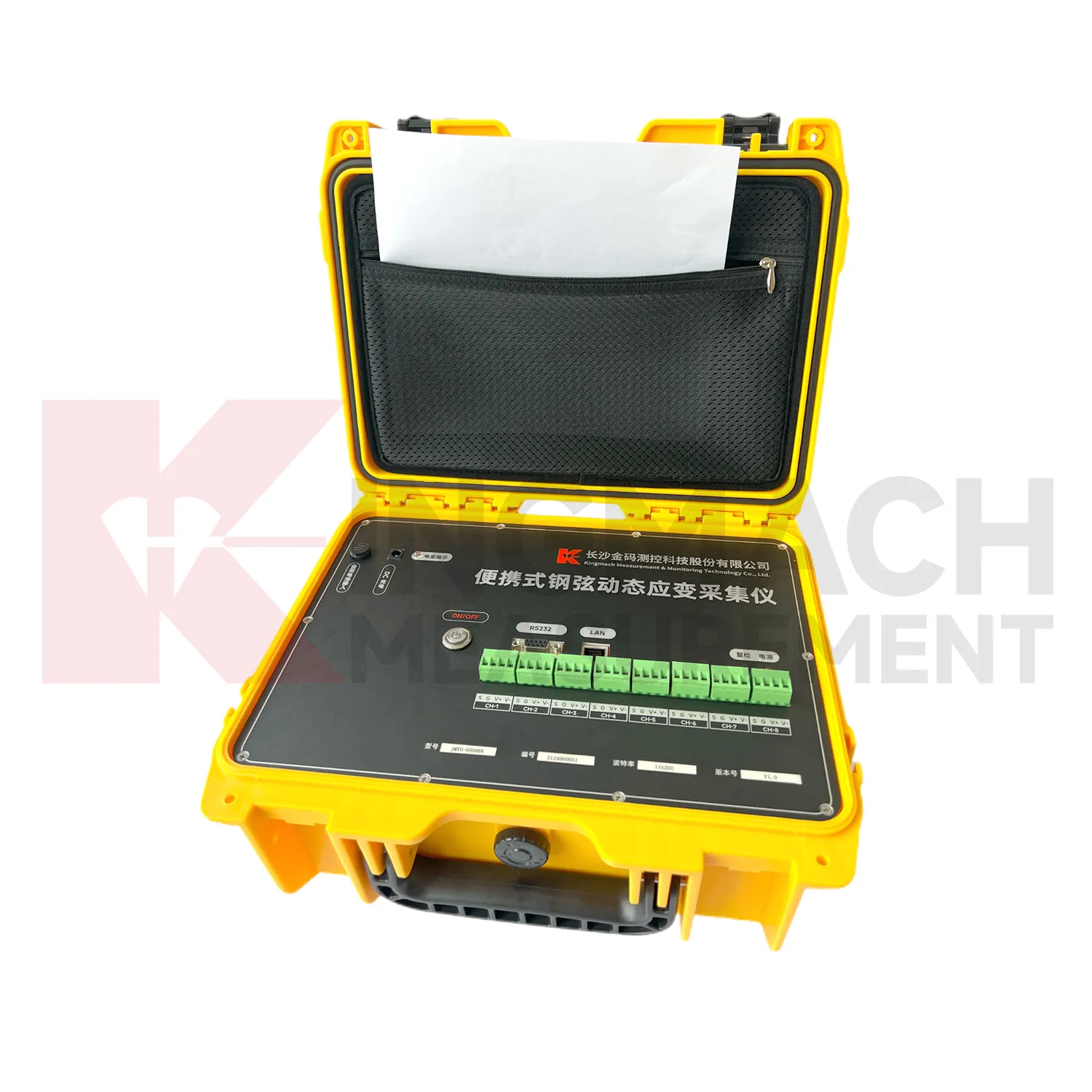
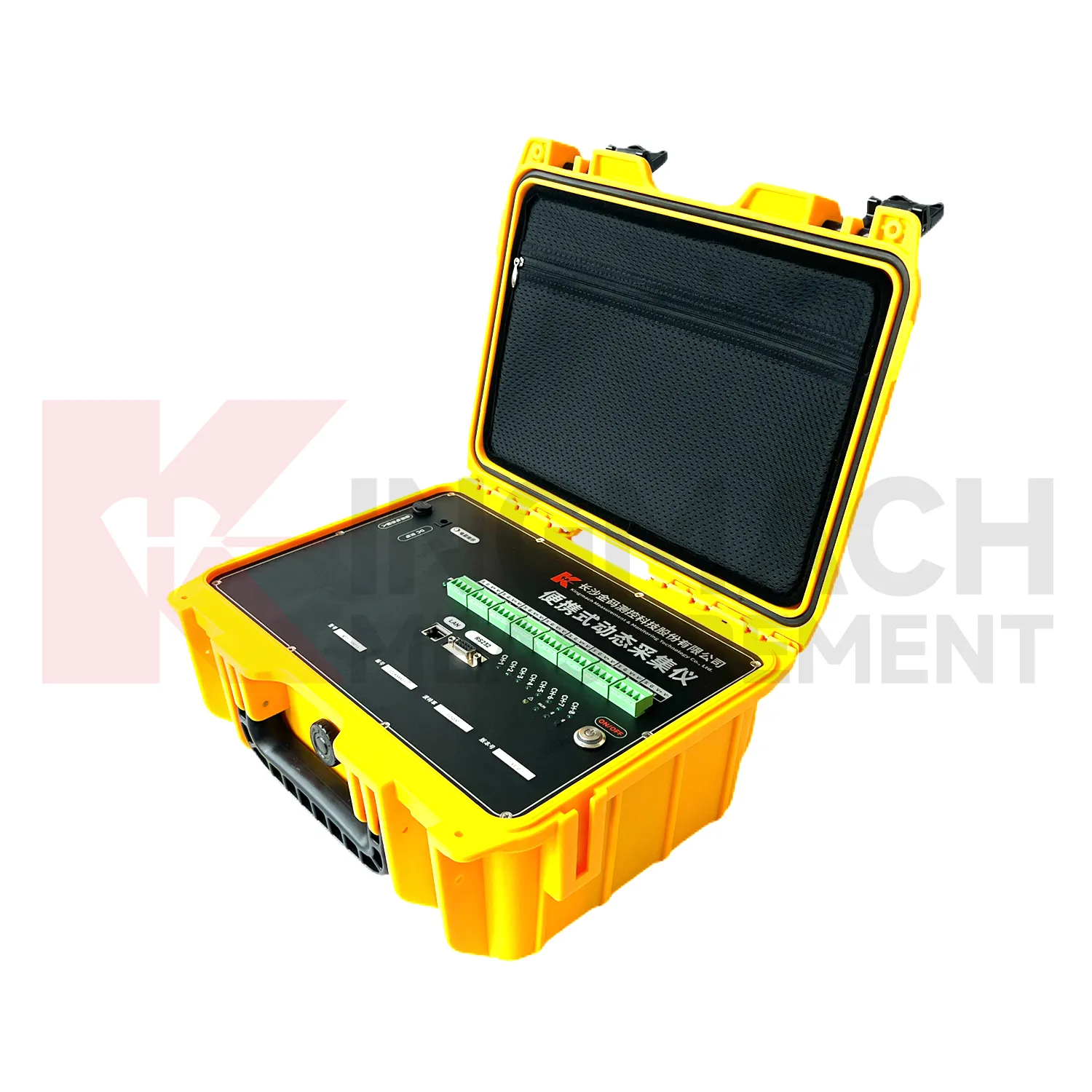
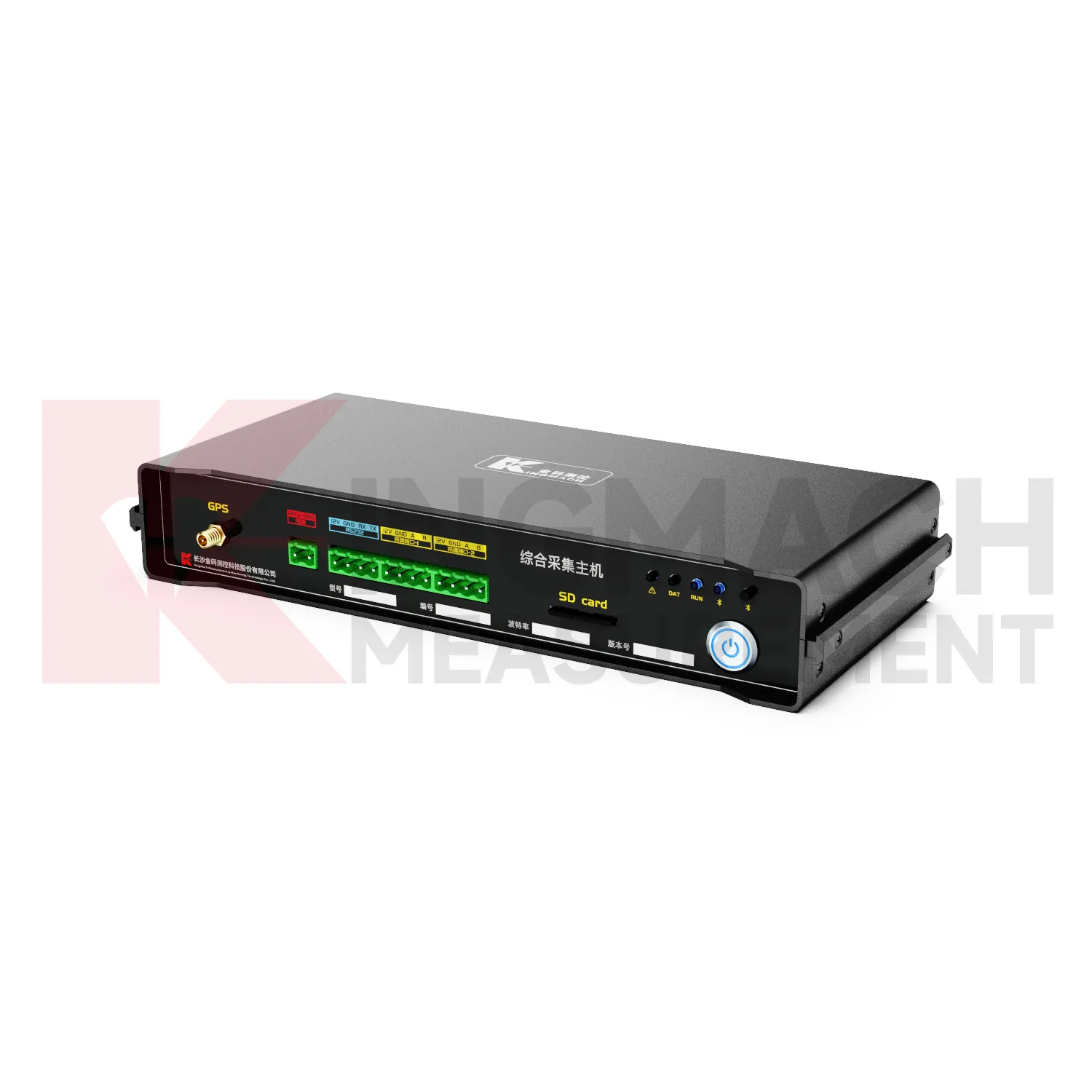
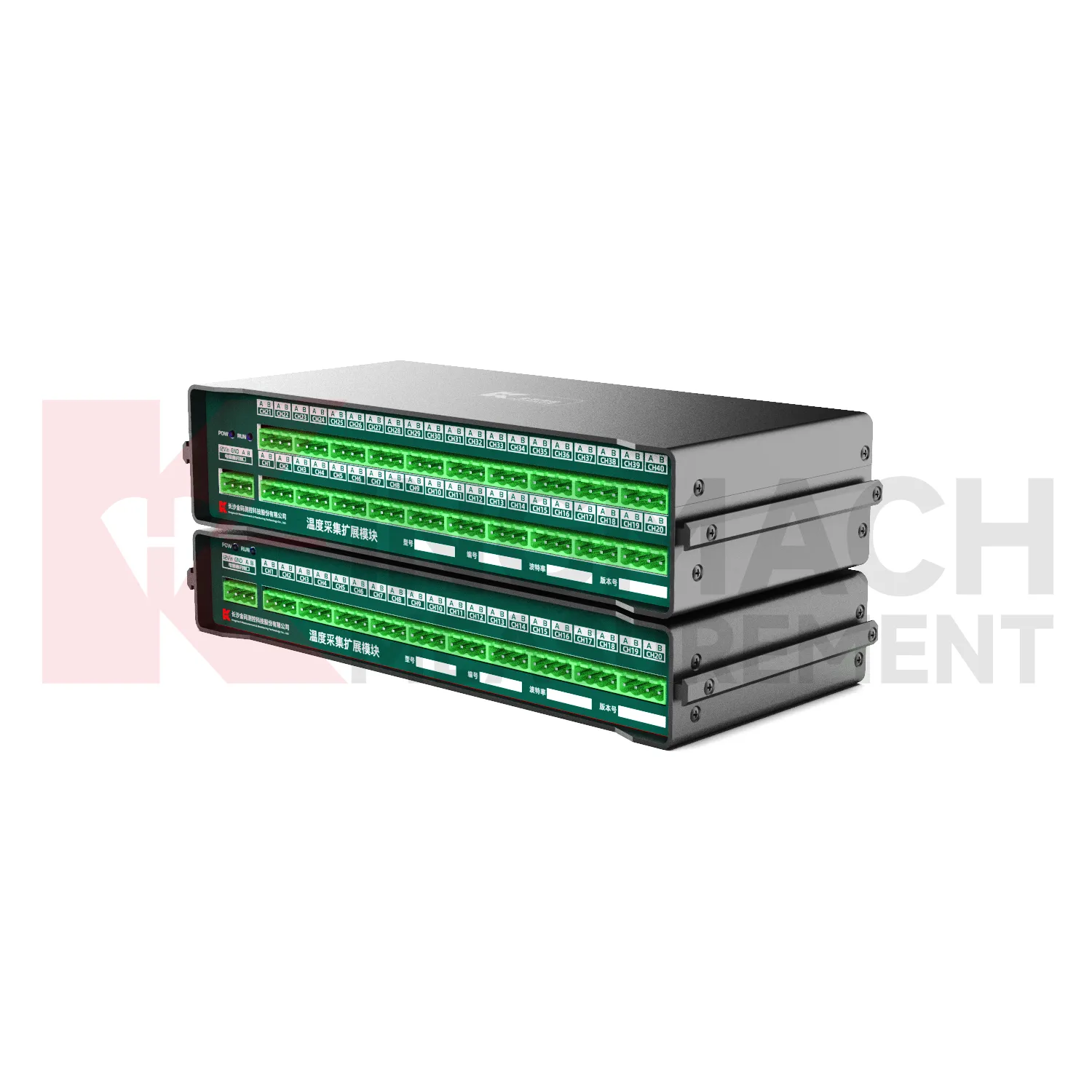
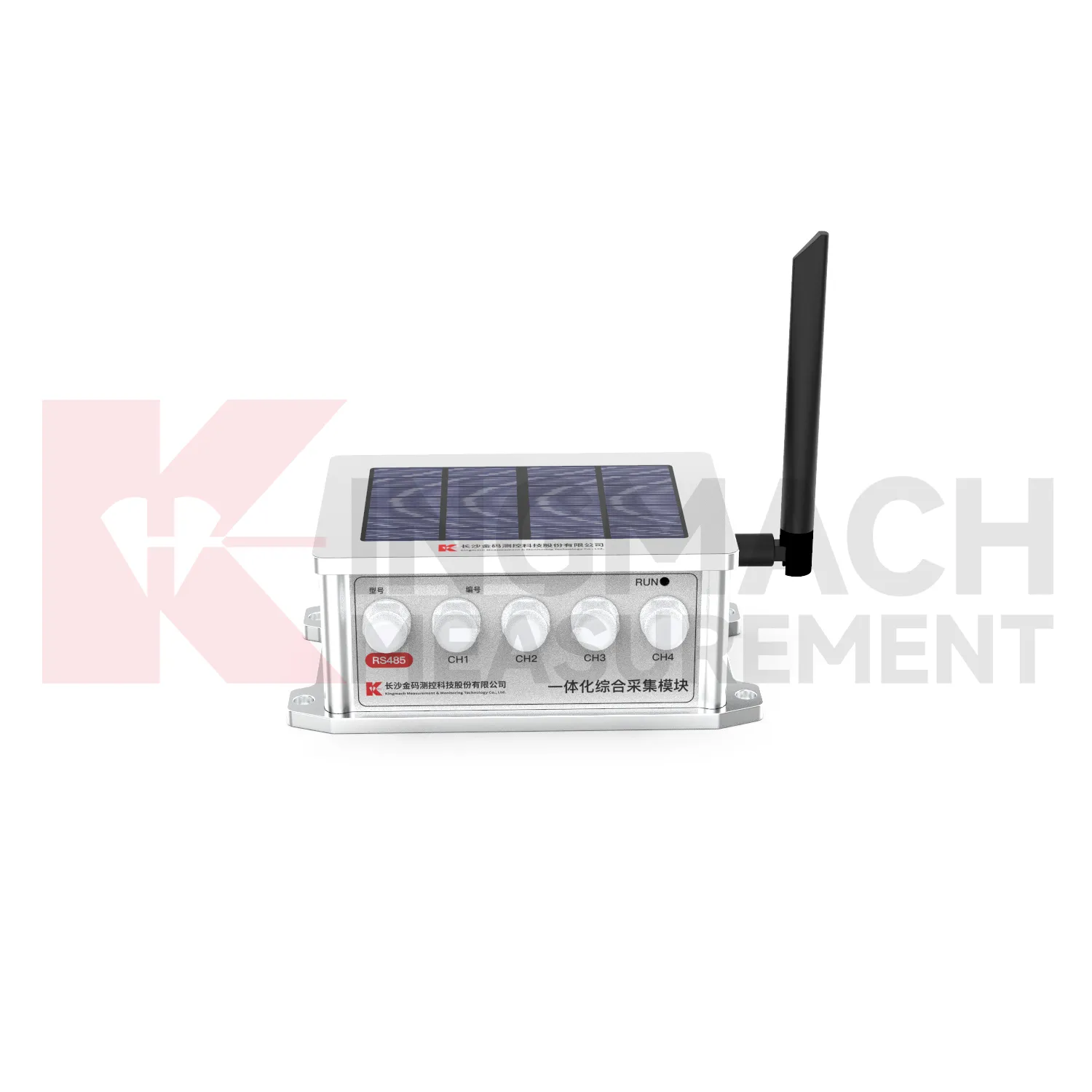
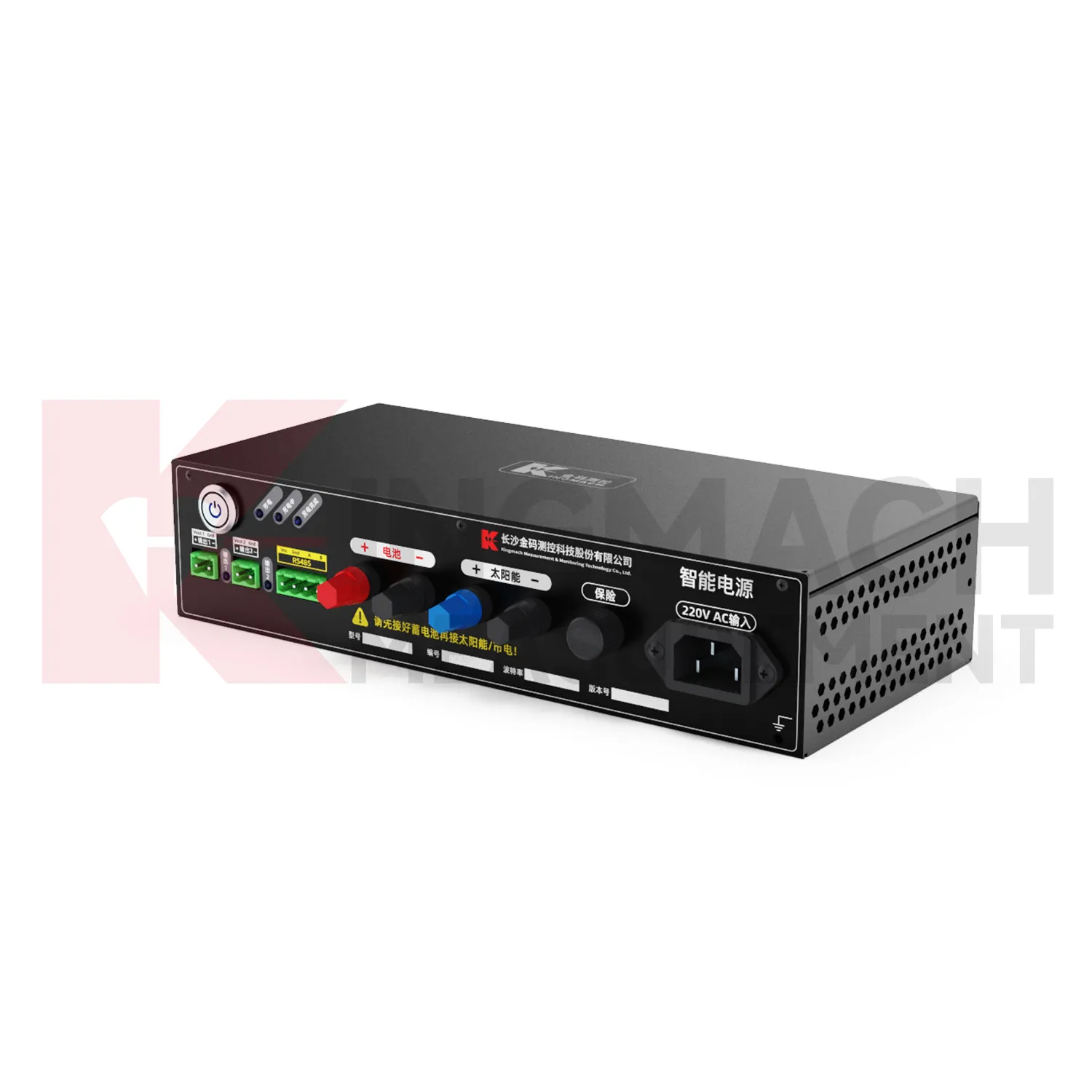
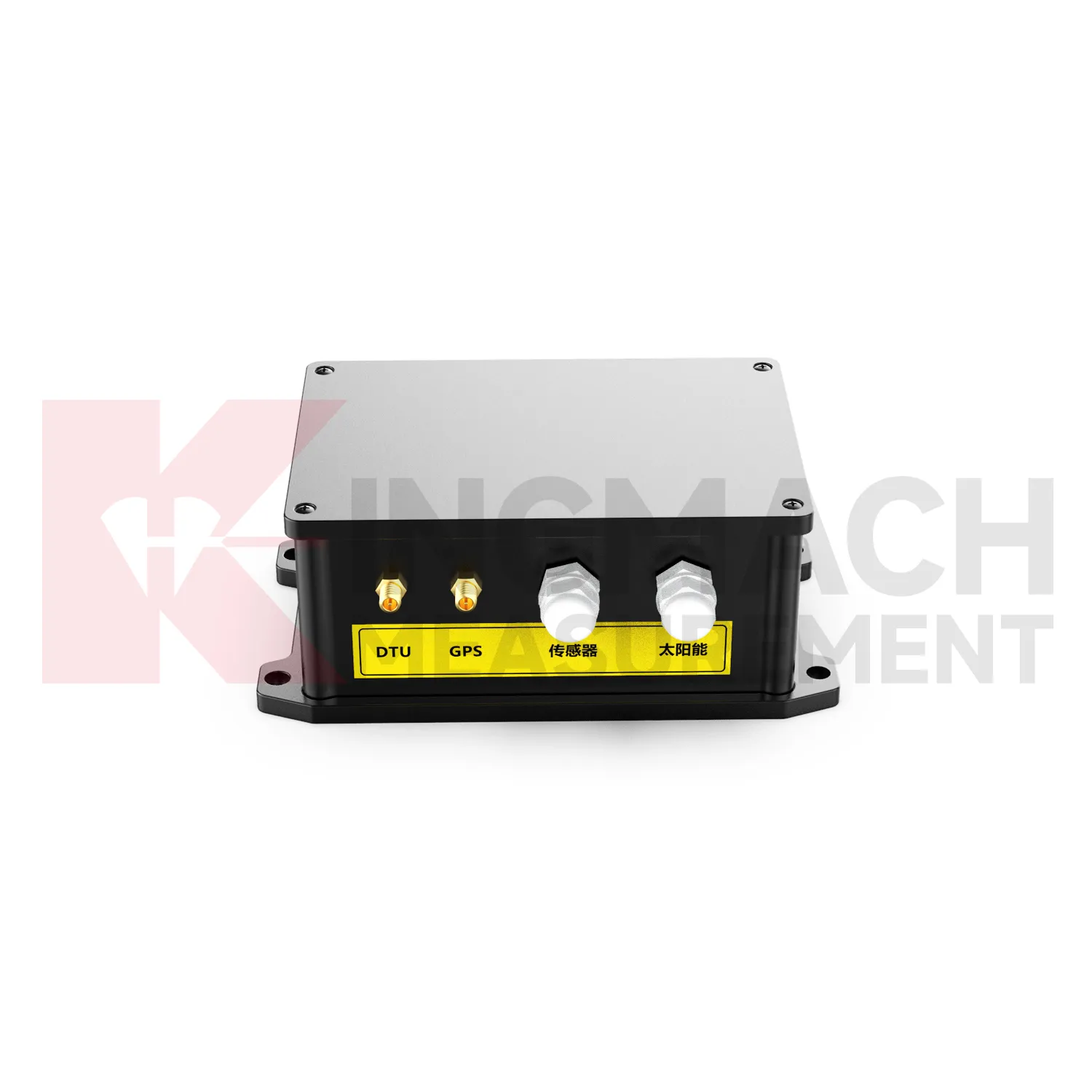
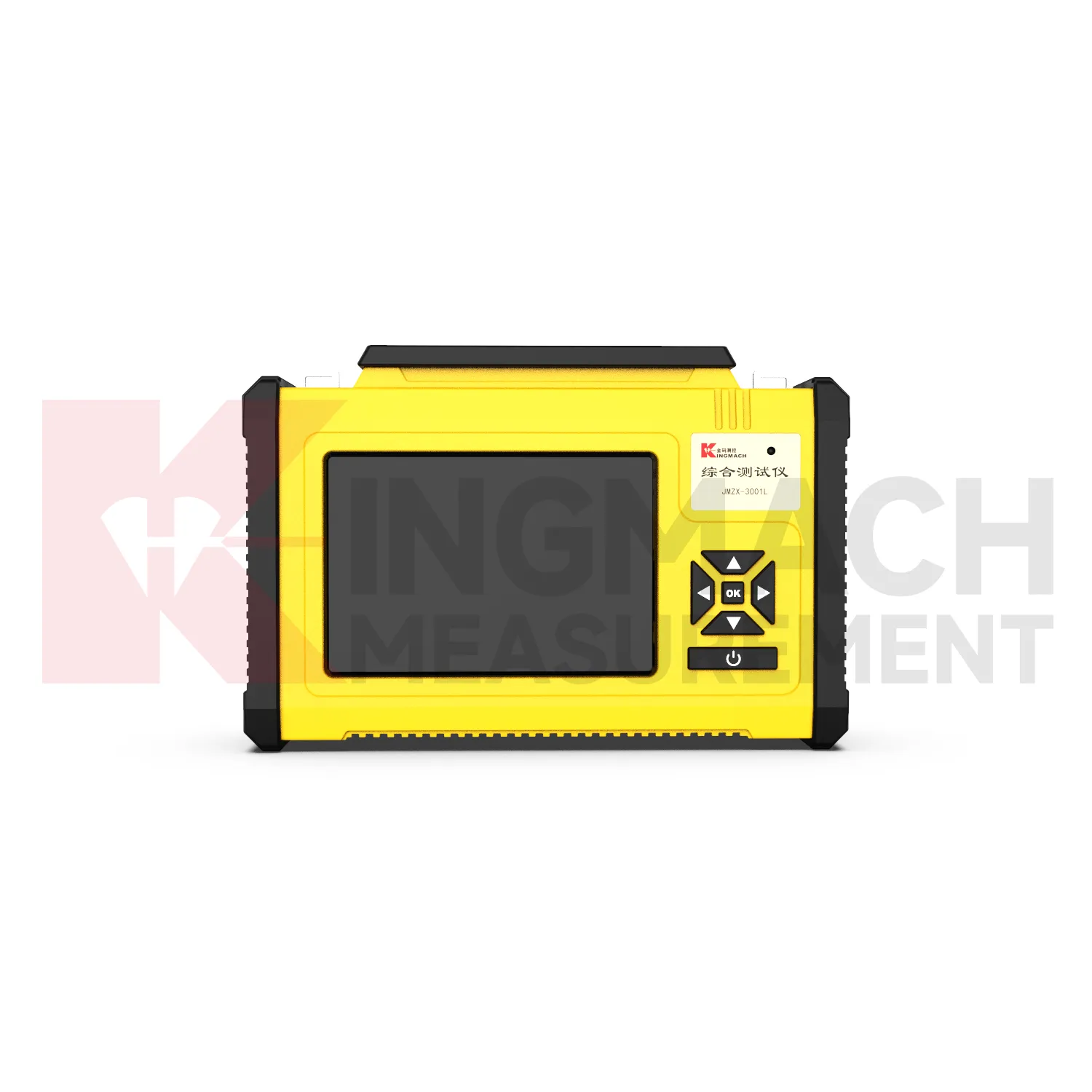
Kingmach Structural Monitoring Cloud Platform bring together measurement, storage, and communication functions for field monitoring. The category includes low-power wireless acquisition for remote digital sensors, synchronized dynamic strain logging, and portable readouts for on-site checks. Each device type serves a different part of the monitoring workflow. Low-power loggers reduce manual visits at remote stations. Dynamic loggers capture event behavior with synchronized channels. Portable readouts help field staff confirm sensor condition before the site is closed or the inspection route moves on. Buyers should connect these capabilities with project realities such as access restrictions, weather exposure, power availability, communication reliability, and the expected review frequency. A slope station with limited access, a tunnel with night work, and a bridge deck with traffic restrictions place different demands on the same acquisition category. The device should fit the way people actually reach the point, protect cables, power the station, and move data into review. This practical view helps teams select a readout or logger that supports field use, not only laboratory capability. In remote work, the maintenance route, enclosure position, antenna condition, and expected upload schedule can be just as important as the measurement circuit. In short-term testing, the device must also be easy to move, check, and export before the crew leaves the site.
Application of Structural Monitoring Cloud Platform
Bridge monitoring uses Kingmach Structural Monitoring Cloud Platform to connect strain, displacement, tilt, cable force, vibration, temperature, and environmental records into a usable acquisition workflow. During construction, portable readouts can help field crews verify sensor installation before concrete placement, load testing, or traffic opening. During operation, data loggers can collect scheduled readings or dynamic events for comparison with traffic, wind, temperature, and maintenance activity. The acquisition device should preserve point names and time stamps so bridge engineers can compare records across spans, piers, cables, bearings, and decks. A good setup also supports handover because the owner can see which channels are active, which points are temporary, and which data belongs to long-term structural review. Bridge teams also need clean separation between routine trend records and short event files. A slow temperature-related strain drift, a traffic event, and a cable force check should not be mixed into one unexplained data pool. Channel maps, event labels, and export folders help the engineer trace each record back to the bridge component that produced it. This makes later review more dependable when maintenance work, load testing, or seasonal comparison requires evidence from several sensor groups. The same acquisition file can also support bearing replacement, deck repair, cable inspection, and post-event comparison when owners need to understand how the bridge behaved before and after work.
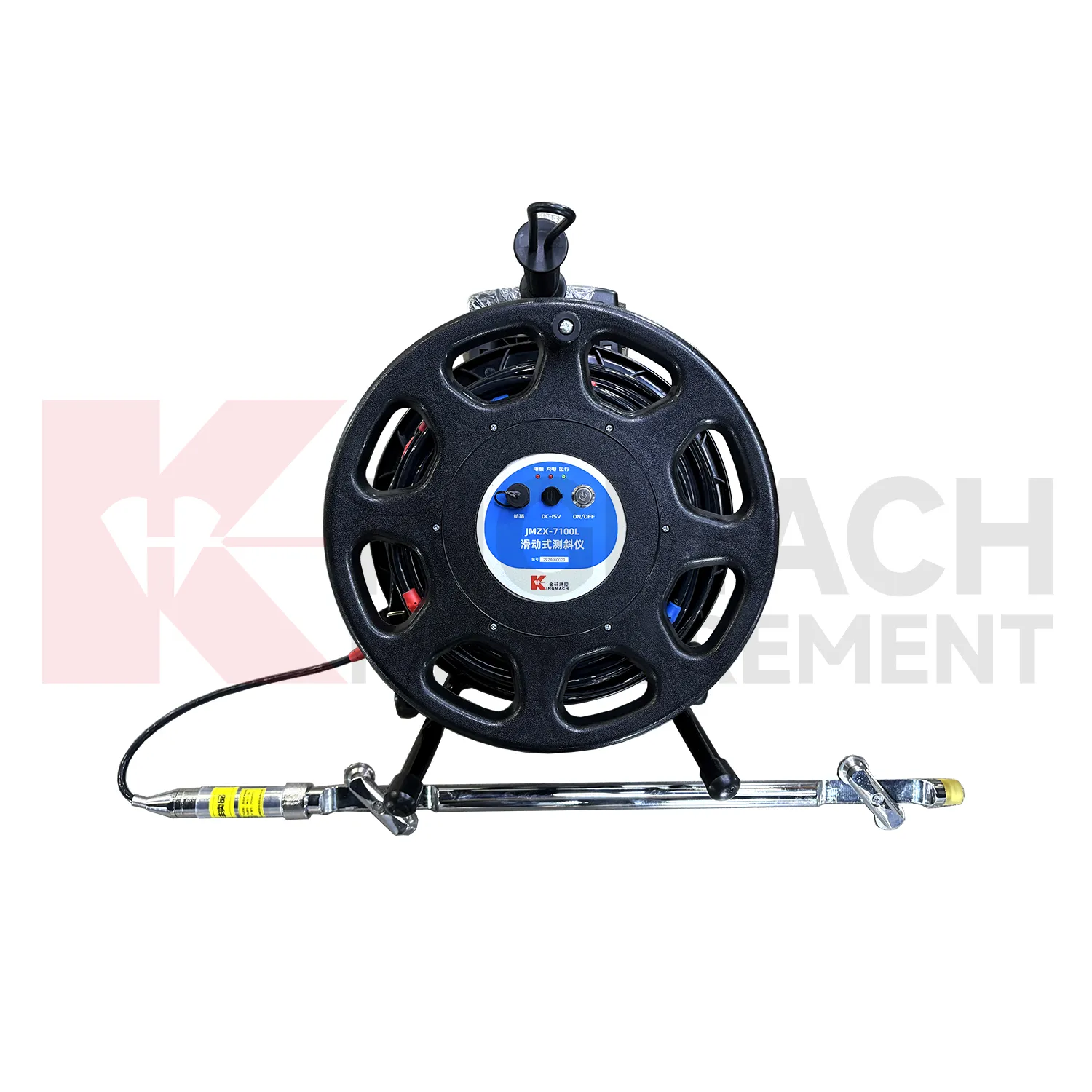
The future of Structural Monitoring Cloud Platform
Future Kingmach Structural Monitoring Cloud Platform will make reporting easier for mixed audiences. Field technicians, engineers, construction managers, asset owners, and maintenance teams do not use data in the same way. A technician needs point status and sensor response. An engineer needs trends and event context. An owner needs a reliable summary of asset behavior. Future acquisition systems should help organize the same record into views that fit these roles while keeping the underlying data traceable. This makes monitoring more useful across the full project life. Role-based reporting can keep technical detail available without forcing every user to read the same view. Maintenance staff may need battery and connection status, while engineers may need comparison charts and export files. Owners may need trend summaries and exceptions. A clearer reporting structure will make acquisition data easier to act on. It also reduces the need to rewrite data manually for each meeting or report. later.
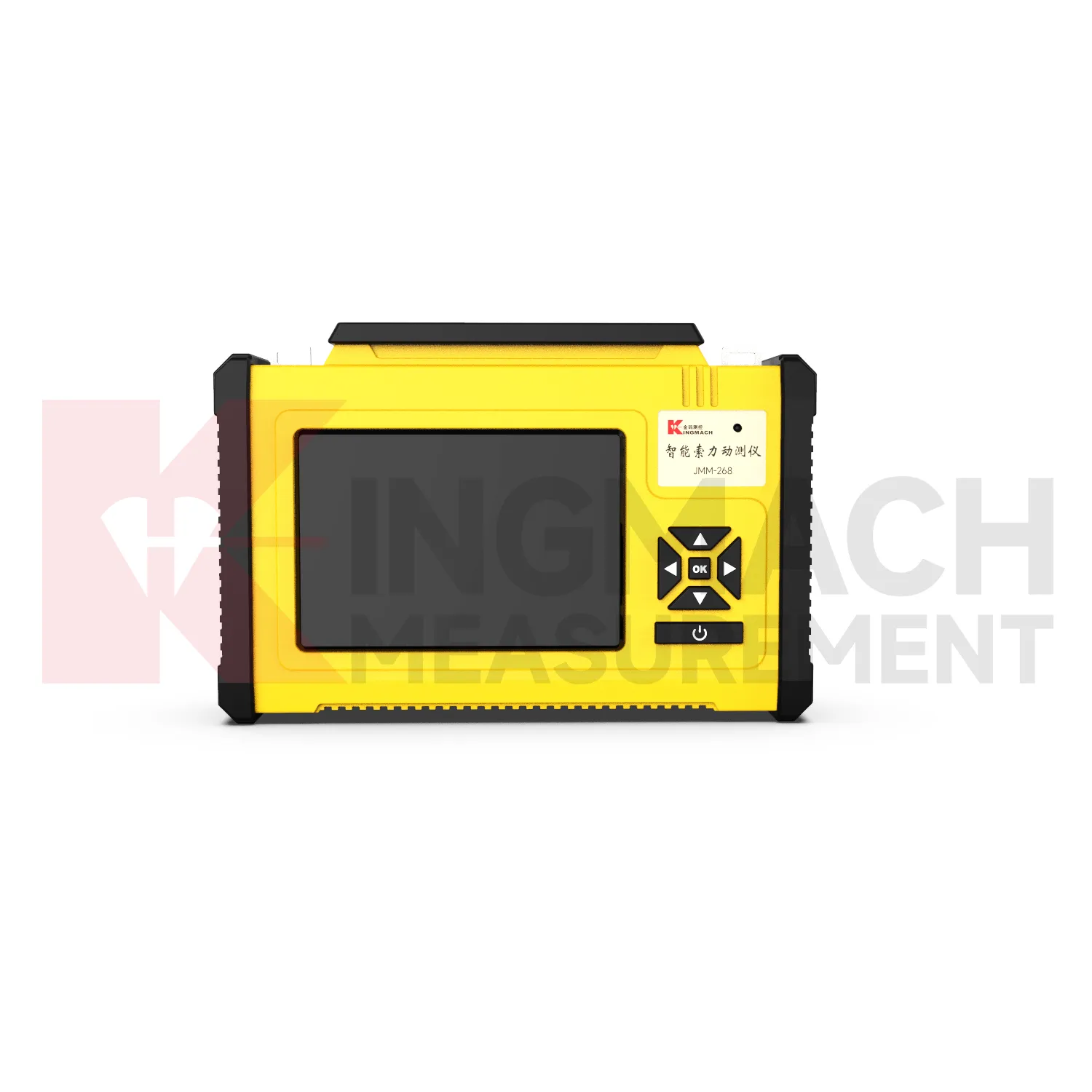
Care & Maintenance of Structural Monitoring Cloud Platform
Handover maintenance keeps Kingmach Structural Monitoring Cloud Platform useful after staff changes. A monitoring system may operate for years, but the people who installed it may leave the project. Keep a handover file with device type, sensor list, channel map, acquisition interval, communication method, power plan, baseline readings, maintenance history, and export location. Update the file after repairs, replacements, or setting changes. When the next team can understand the acquisition chain quickly, the project avoids repeated diagnosis and protects the value of long-term monitoring data. Handover should also identify which devices are temporary and which remain part of long-term operation. A temporary logger removed after construction should have final exported files, while a permanent station should keep power, communication, and maintenance routines documented. This prevents old construction records from being confused with active monitoring points. during owner review and maintenance planning. across project phases. clearly and safely. for owners. later on site. consistently.
Kingmach Structural Monitoring Cloud Platform
Kingmach Structural Monitoring Cloud Platform help bridge the gap between measurement hardware and engineering decisions. Sensors create signals, but owners and contractors need records that can be reviewed, exported, compared, and explained. A readout may confirm installation quality during a short site visit. A wireless logger may keep recording through rain, night work, or restricted access. A dynamic acquisition unit may capture synchronized events that ordinary slow logging would miss. These roles are different, yet they share the same purpose: keeping sensor information traceable. The best acquisition plan defines power, channel count, communication method, storage duty, and data review before instruments are installed. Once those details are defined, the team can decide which device belongs at each point. A temporary test may need a portable unit, while a remote slope station may need low-power upload and local storage. Matching device role to monitoring purpose makes the record easier to trust. across the project lifecycle.
FAQ
Q: When is a portable readout useful?
A: A portable readout is useful during installation, inspection rounds, sensor verification, temporary testing, and maintenance checks when immediate field values are needed.
Q: When is a wireless logger useful?
A: A wireless logger is useful at remote or difficult access sites where scheduled acquisition and active upload reduce repeated manual visits.
Q: Can one device handle every monitoring task?
A: No. Slow long-term monitoring, dynamic event capture, digital bus acquisition, and handheld verification may require different acquisition devices.
Q: Why does acquisition interval matter?
A: The interval must match site behavior. Fast events need frequent or dynamic capture, while stable long-term points may use slower scheduled readings.
Q: How should data be handed over?
A: The handover file should include sensor lists, channel maps, baseline readings, acquisition settings, communication details, and maintenance history. The record stays useful when point names, channel labels, sensor type, measurement time, and field condition are kept together, because later reviewers can connect the number with the actual structure and inspection history.
Reviews
Daniel Brown
Excellent environmental monitoring sensors. The data is consistent, and the system integrates smoothly with our existing setup.
Andrew Lee
The visualization software is intuitive and powerful. It helps us analyze monitoring data efficiently.
Latest Inquiries
To protect the privacy of our buyers, only public service email domains like Gmail, Yahoo, and MSN will be displayed. Additionally, only a limited portion of the inquiry content will be shown.
Charlotte***@gmail.comUnited Arab Emirates
Hi, we require instrumentation cables suitable for harsh environments. Could you advise on specifica...
Evelyn***@gmail.comSouth Africa
Hi, we are a contractor working on tunnel construction and need settlement sensors and displacement ...