
 EN
EN
 ar
ar bg
bg hr
hr cs
cs da
da nl
nl fi
fi fr
fr de
de el
el hi
hi it
it ko
ko no
no pl
pl pt
pt ro
ro ru
ru es
es sv
sv tl
tl iw
iw id
id lv
lv lt
lt sr
sr sk
sk sl
sl uk
uk vi
vi et
et hu
hu th
th tr
tr fa
fa ms
ms hy
hy ka
ka ur
ur bn
bn mn
mn ta
ta kk
kk uz
uz ku
ku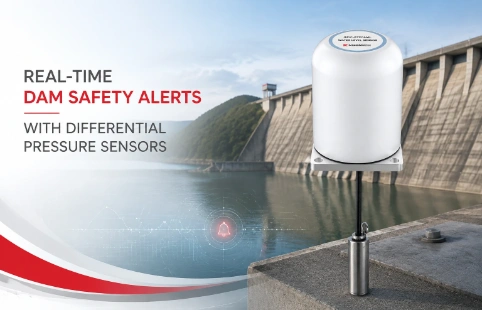
Real-Time Dam Safety Alerts with Differential Pressure Water Level Sensors
Key Takeaways An alert chain needs more than a sensor: define field in...

Ground Vibration Sensors Built for Field Reliability
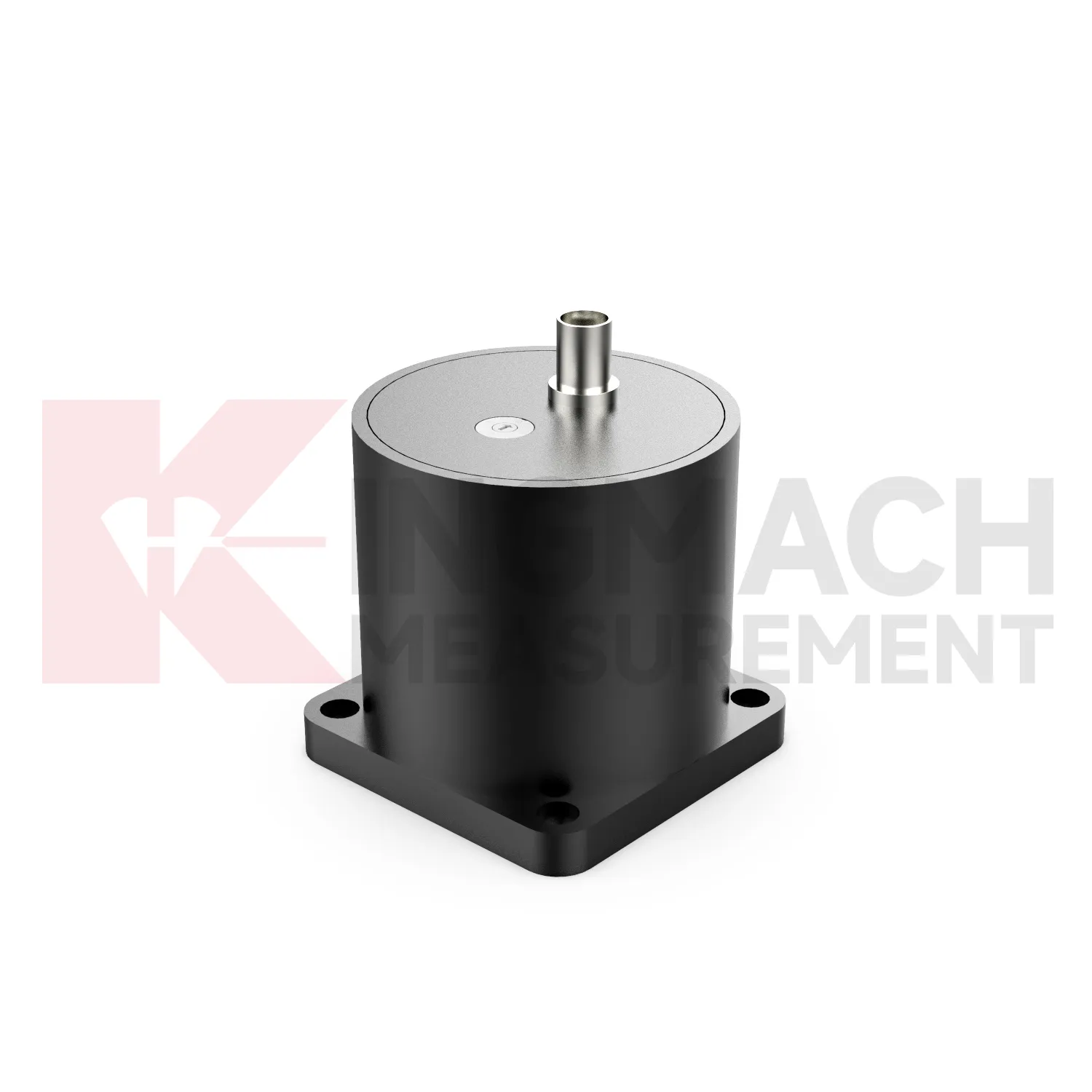
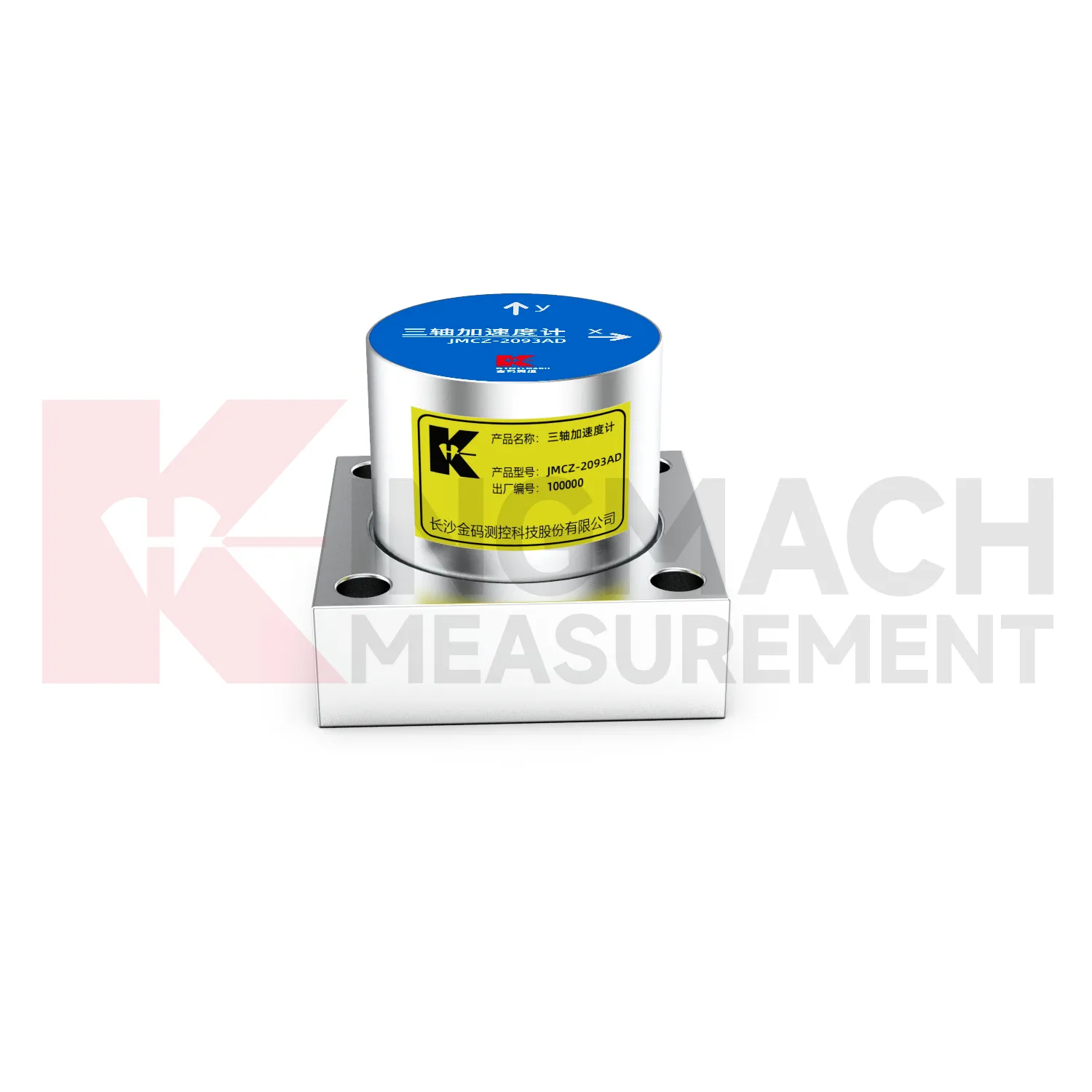
On a construction site or inside a deep mine, ground vibration isn’t just noise—it’s data that can warn of instability or confirm that operations are within safe limits. But getting consistent readings in rain, dust, and heavy handling is a challenge. That’s where a ground vibration sensor has to earn its place. Kingmach, a professional geotechnical instrument manufacturer, builds these sensors for exactly those conditions. Instead of chasing every last decimal point of precision, we focus on ruggedness and signal quality that hold up over months of unattended monitoring. The result is a device that engineers can install and then mostly forget about, while it keeps feeding reliable vibration data back to their control room or cloud dashboard. Whether it’s blasting, pile driving, or seismic surveillance, a well-designed ground vibration sensor turns a measurable shake into a practical safety net.
Technical Detail
Kingmach’s approach to ground vibration monitoring is shaped by years of supplying instruments to demanding civil and mining applications. The core sensing element—typically a piezoelectric or MEMS accelerometer—is selected not just for sensitivity but for its stability over temperature swings and long cable runs. We pay extra attention to the analog front-end, filtering out noise that can swamp real vibration signals on a busy site. The sensor housing is sealed against moisture and dust, and we internally pot the electronics so that even if the outer case takes a knock, the measurement loop stays intact. This unit can be mounted on a spike, buried, or bolted to a concrete pad, giving surveyors and engineers flexibility during deployment. Connectivity is straightforward: most models output a standard voltage or 4–20 mA signal, so they plug directly into popular dataloggers and telemetry systems. For projects that need a non-standard measurement range or a specific frequency response, we have an in-house engineering team that can adjust the design. Given Kingmach’s mid-market position, customers get solid performance and configuration options without the premium price tag of high-end research gear. Our global distribution and local technical support mean spares, calibration, and setup advice are never far away. In practice, this means a consultant specifying a vibration network for an urban metro expansion can standardize on one sensor type across dozens of monitoring points and still get timely help if some of those points end up in a flooded access shaft.
News
Key Takeaways An alert chain needs more than a sensor: define field in...
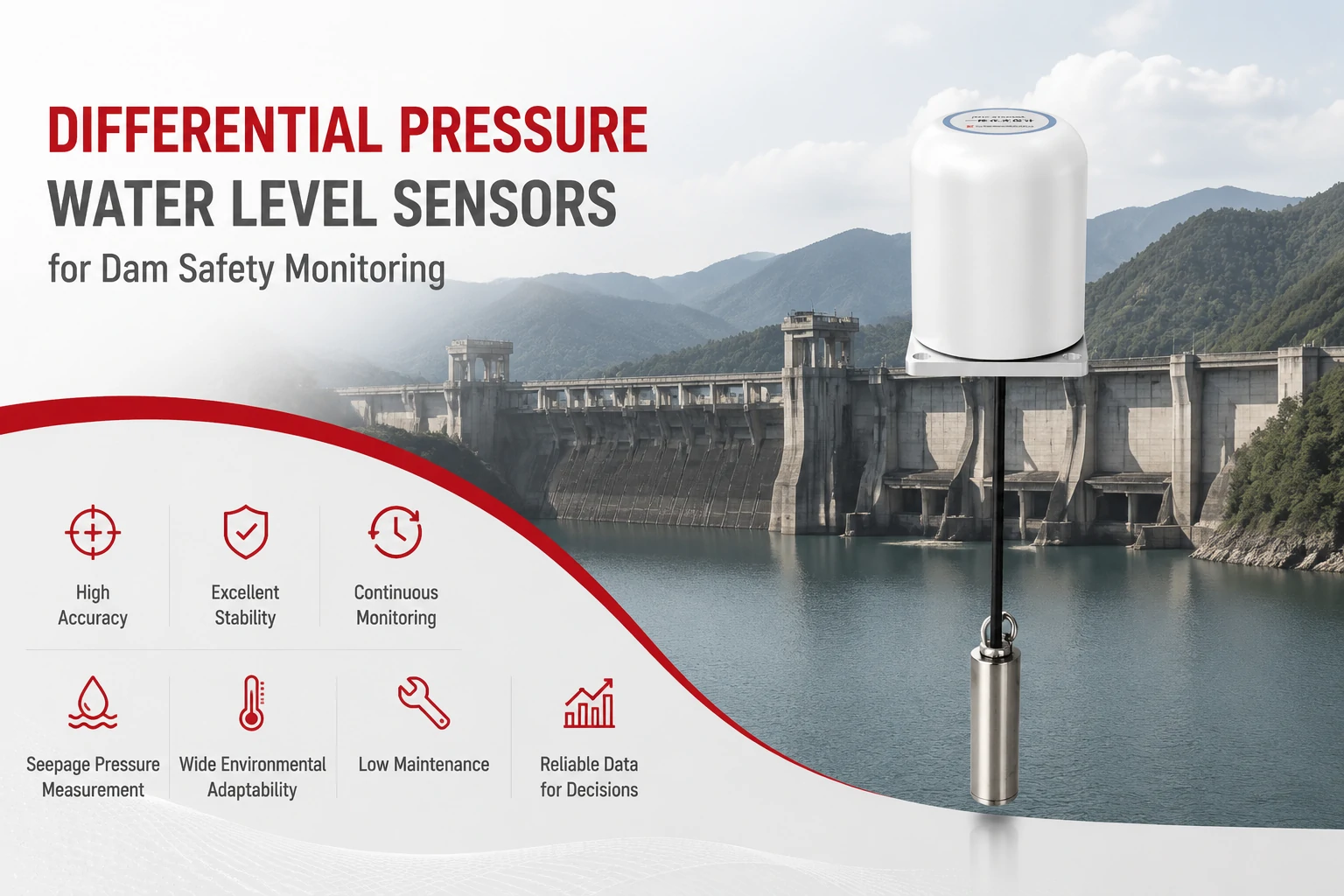
Key Takeaways The strongest fit is usually a confined, submerged, or s...
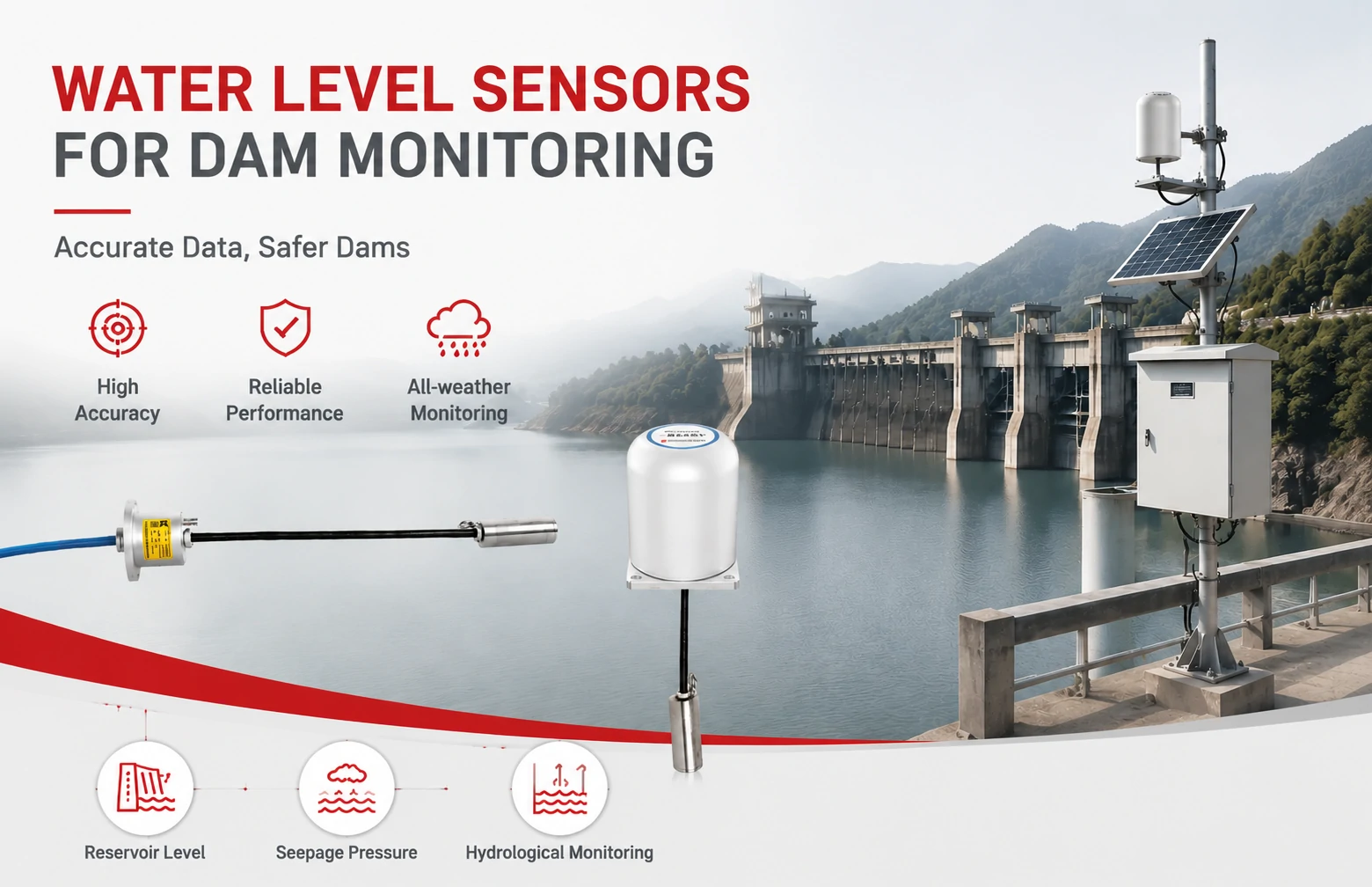
Kingmach Water Level Sensors for Dam Monitoring: A Buyer's Guide to Differential Pre...
Products
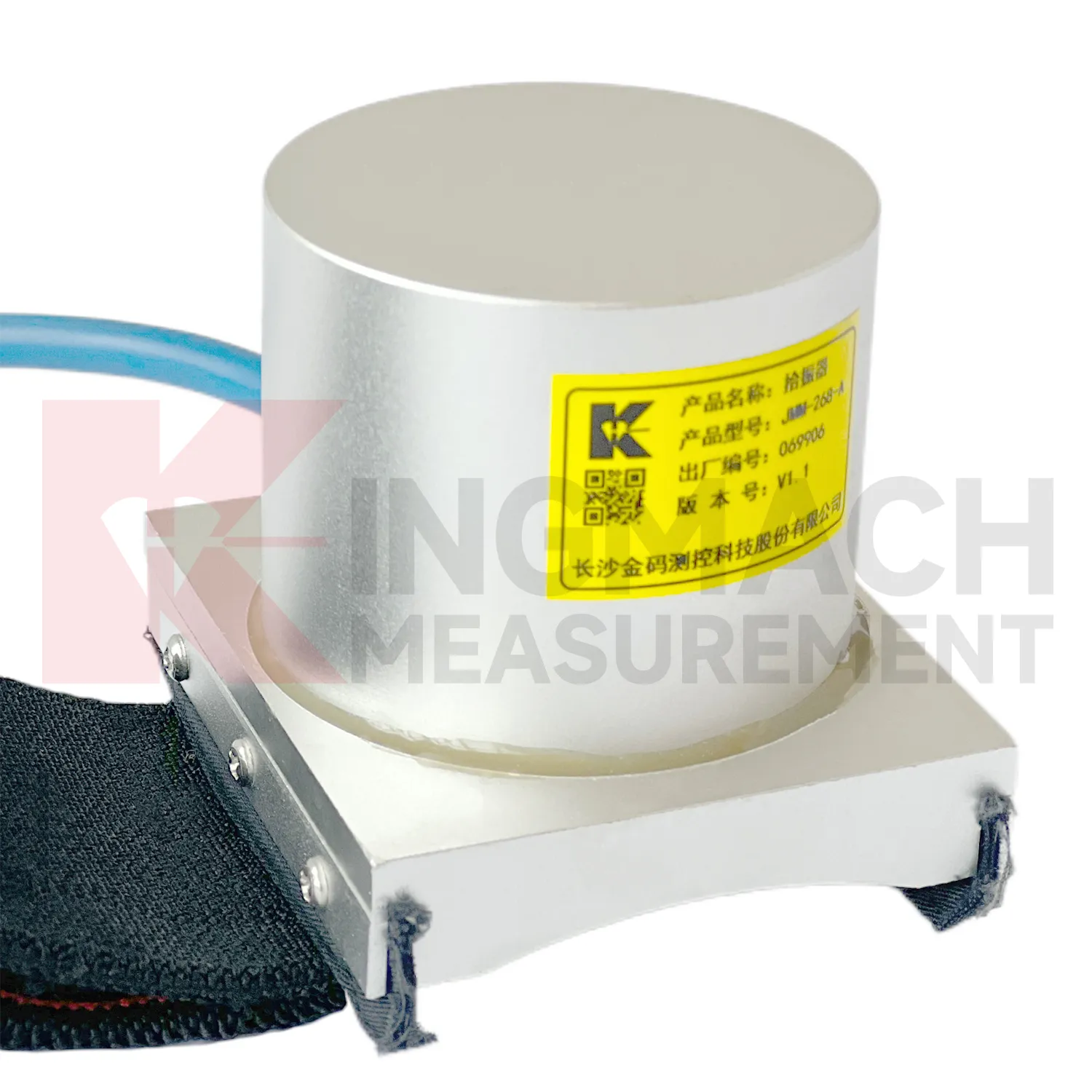
FAQ
Yes, they are widely used for that purpose. You can choose a version with the sensitivity and bandwidth to capture low-level vibrations and peak particle velocity, matching common regulatory standards. We also supply the calibration certificates many authorities require.
Most likely. Our standard output is an analog voltage or 4–20 mA signal, which these loggers accept. If you need a digital interface like RS-485 or CAN, we can often add a signal converter. Just let us know your logger model and we’ll confirm compatibility.
We take sealing seriously—the enclosure is rated IP67 or higher, and the internal electronics are fully potted. That design has worked reliably in monitoring wells and underneath spillway weirs where humidity is 100%. A vented cable is an optional extra for applications with large pressure changes.
We can accommodate that. It usually involves a different sensing element and a more sophisticated amplifier circuit. We’d discuss your specific requirement and provide a datasheet tailored to that low-end cutoff. It adds some cost, but it’s technically straightforward for our team.
Primarily we deliver sensors and provide documentation, but for larger projects we can arrange a local partner or our own technician to assist with initial setup, zero-balancing, and training. This is charged separately and quoted per project.
Share your product type, target capacity, and application requirements. Our team can review the details and recommend a practical next step.
If you are interested in our products or want to become our partner.
Please leave your contact information, our team will contact you as soon as possible.
Mail: [email protected]
Contact Us: +8613808434127
Address: No. 188 Tongzipo West Rd, Changsha, Hunan, China