
 EN
EN
 ar
ar bg
bg hr
hr cs
cs da
da nl
nl fi
fi fr
fr de
de el
el hi
hi it
it ko
ko no
no pl
pl pt
pt ro
ro ru
ru es
es sv
sv tl
tl iw
iw id
id lv
lv lt
lt sr
sr sk
sk sl
sl uk
uk vi
vi et
et hu
hu th
th tr
tr fa
fa ms
ms hy
hy ka
ka ur
ur bn
bn mn
mn ta
ta kk
kk uz
uz ku
ku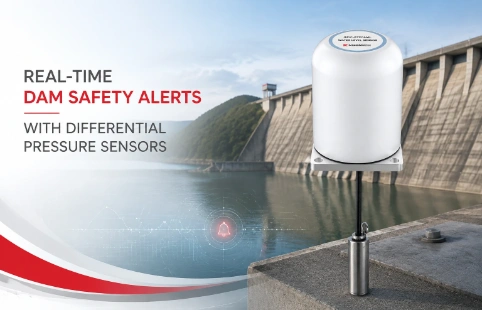
Real-Time Dam Safety Alerts with Differential Pressure Water Level Sensors
Key Takeaways An alert chain needs more than a sensor: define field in...

Lowpower Central Acquisition Module
Keeping automated monitoring running at remote slopes, dams or tunnels often comes down to one thing: power. Mains electricity is rarely there, and swapping batteries every few weeks drives up cost and risk. A lowpower central acquisition module changes that equation. It pulls together data from multiple geotechnical sensors while sipping so little current that a small battery and solar panel can keep it going through cloudy weeks. Kingmach has been building instruments for these sites for years, and the central module reflects that experience—hardware design that avoids unnecessary power drain, simple wiring, and enough flexibility to fit into existing setups without a redesign.
Technical Detail
The core idea behind a lowpower central acquisition module is to run the bare minimum circuitry between measurements. This one uses a microcontroller that stays in deep sleep most of the time, waking on schedule or when a threshold alarm triggers. Sensor excitation is pulsed only during sampling, so resistive sensors and vibrating wire gauges are not constantly energized. The result is a total current draw that makes year-round operation on a 12 Ah battery and a 20 W solar panel realistic for many layouts. Kingmach has built the module to work with the common sensor types found in geotechnical and structural monitoring: vibrating wire, differential resistance, 4–20 mA transmitters, and several digital protocols. Channel count and signal conditioning can be adjusted to project needs—a six-channel version covers a typical borehole array, while larger configurations are possible for dam or bridge instrumentation. Data is stored on a removable SD card as CSV files and can be pushed to a server over 4G, LoRa, or NB-IoT, depending on the radio module installed. The aluminum enclosure is sealed to IP66 and rated for ambient temperatures from ‒20 °C to 65 °C, so it can be mounted inside a roadside cabinet or a sheltered box at a weir without extra heating or cooling. Kingmach ships the unit with a configuration tool that lets users set sensor parameters, logging intervals, and alarm thresholds without needing a programmer. For deeper integration, a Modbus RTU/ASCII interface is available, and the company’s engineers often work with contractors to adapt the output format to match legacy SCADA or cloud platforms. That combination of low-power design, wide sensor compatibility, and customization support is intended to help monitoring projects where off-the-shelf loggers would either draw too much power or require expensive add-on modules.
News
Key Takeaways An alert chain needs more than a sensor: define field in...
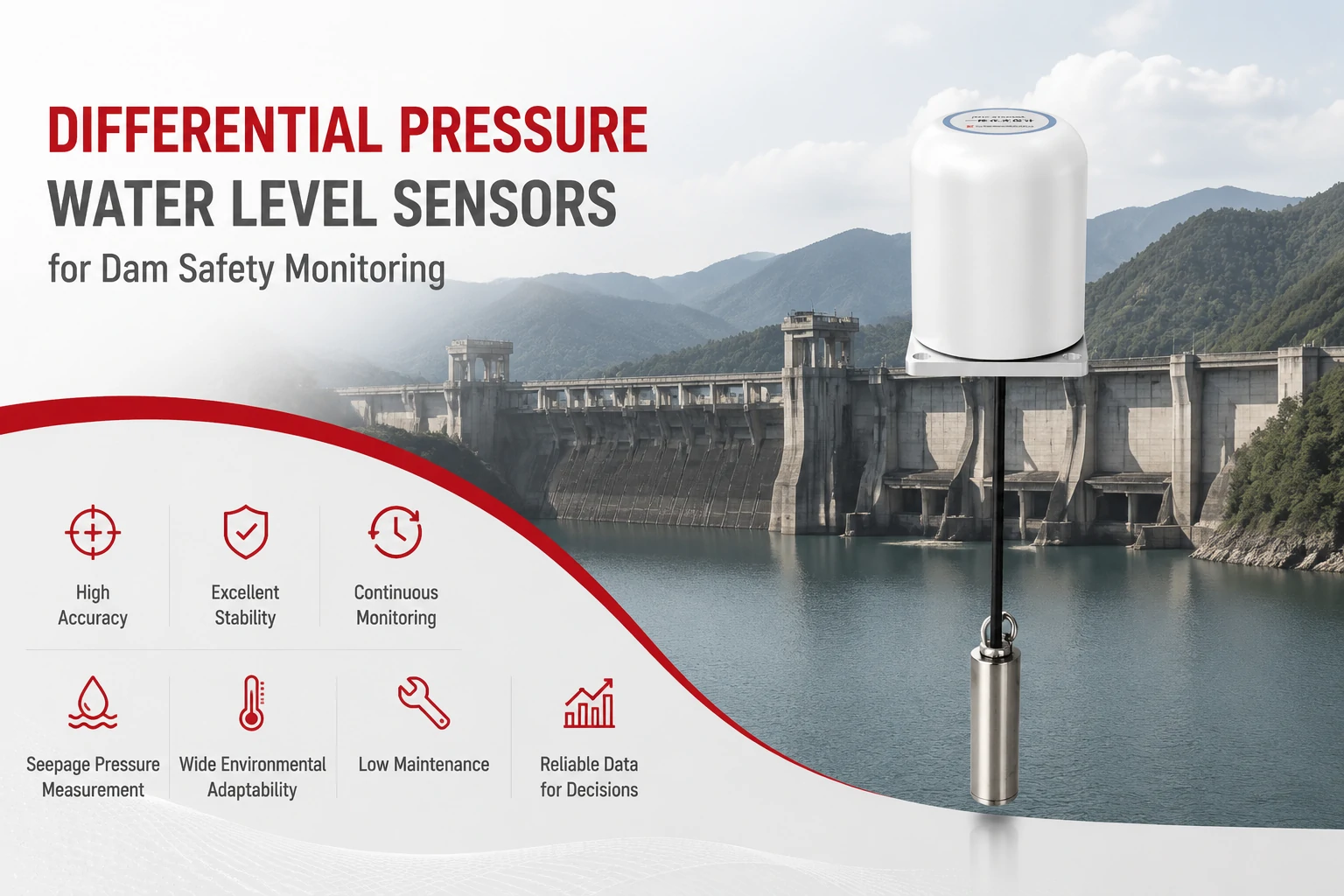
Key Takeaways The strongest fit is usually a confined, submerged, or s...
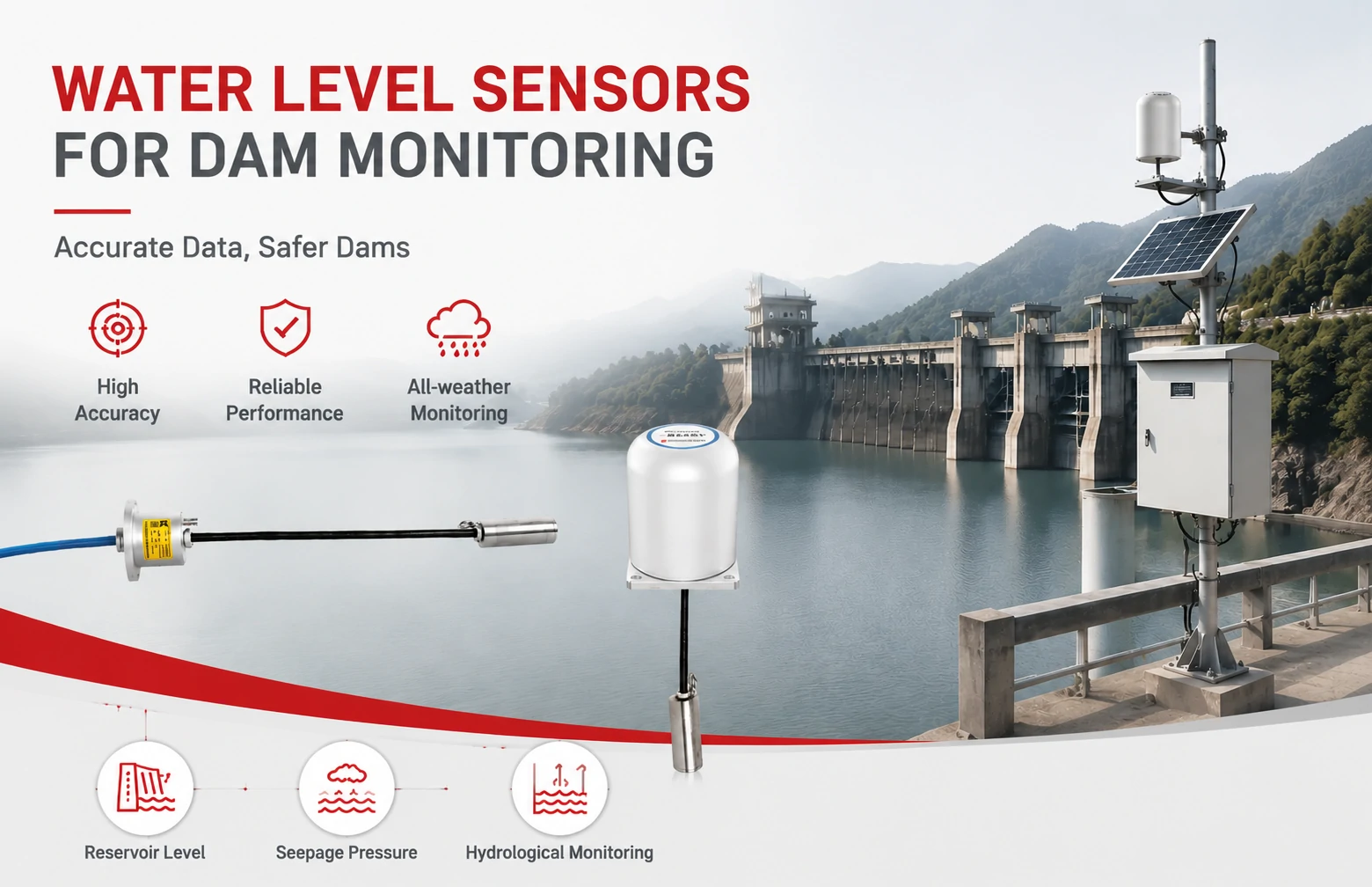
Kingmach Water Level Sensors for Dam Monitoring: A Buyer's Guide to Differential Pre...
Products
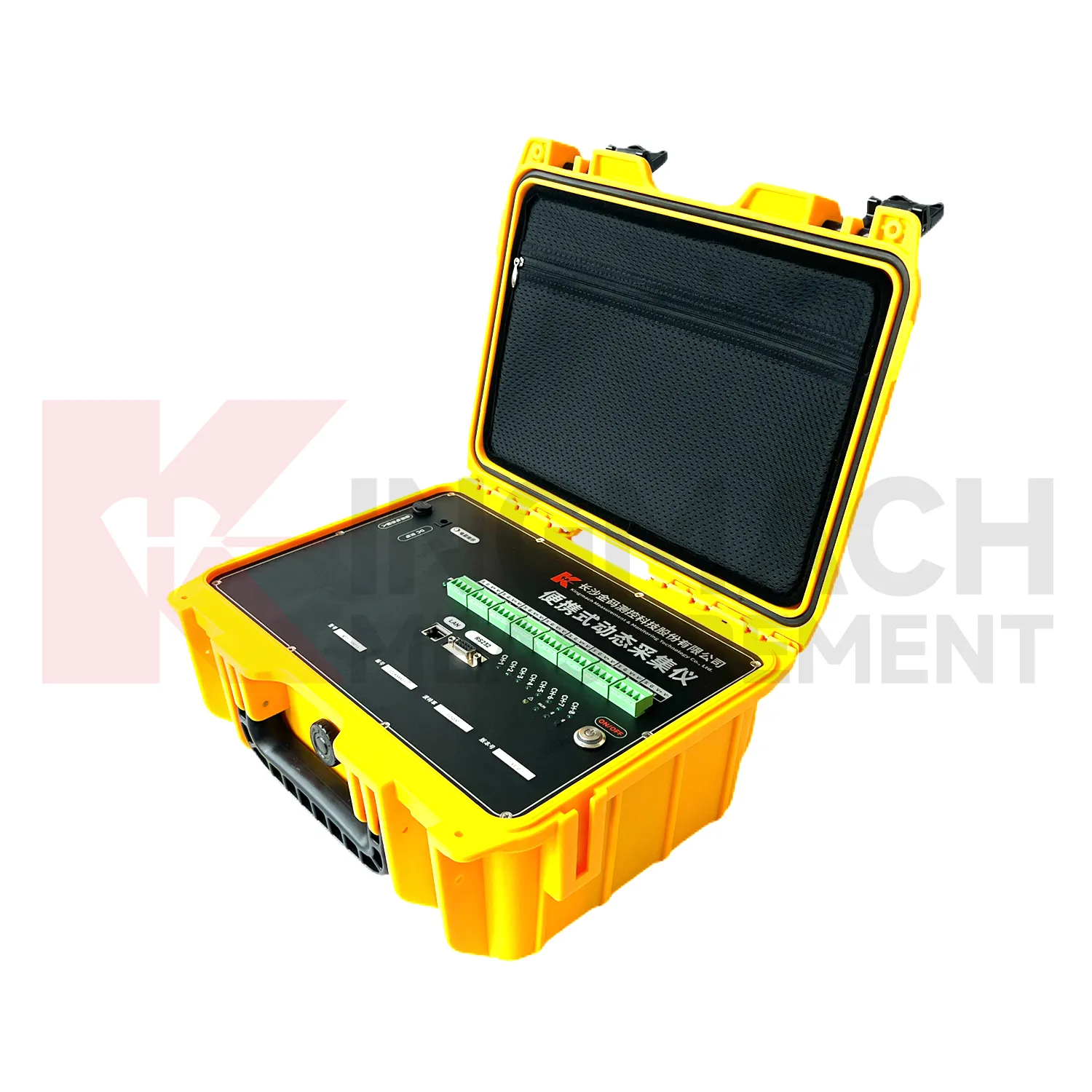
Portable Dynamic Signal Acquisition Readout JMYS-1008BX
View Details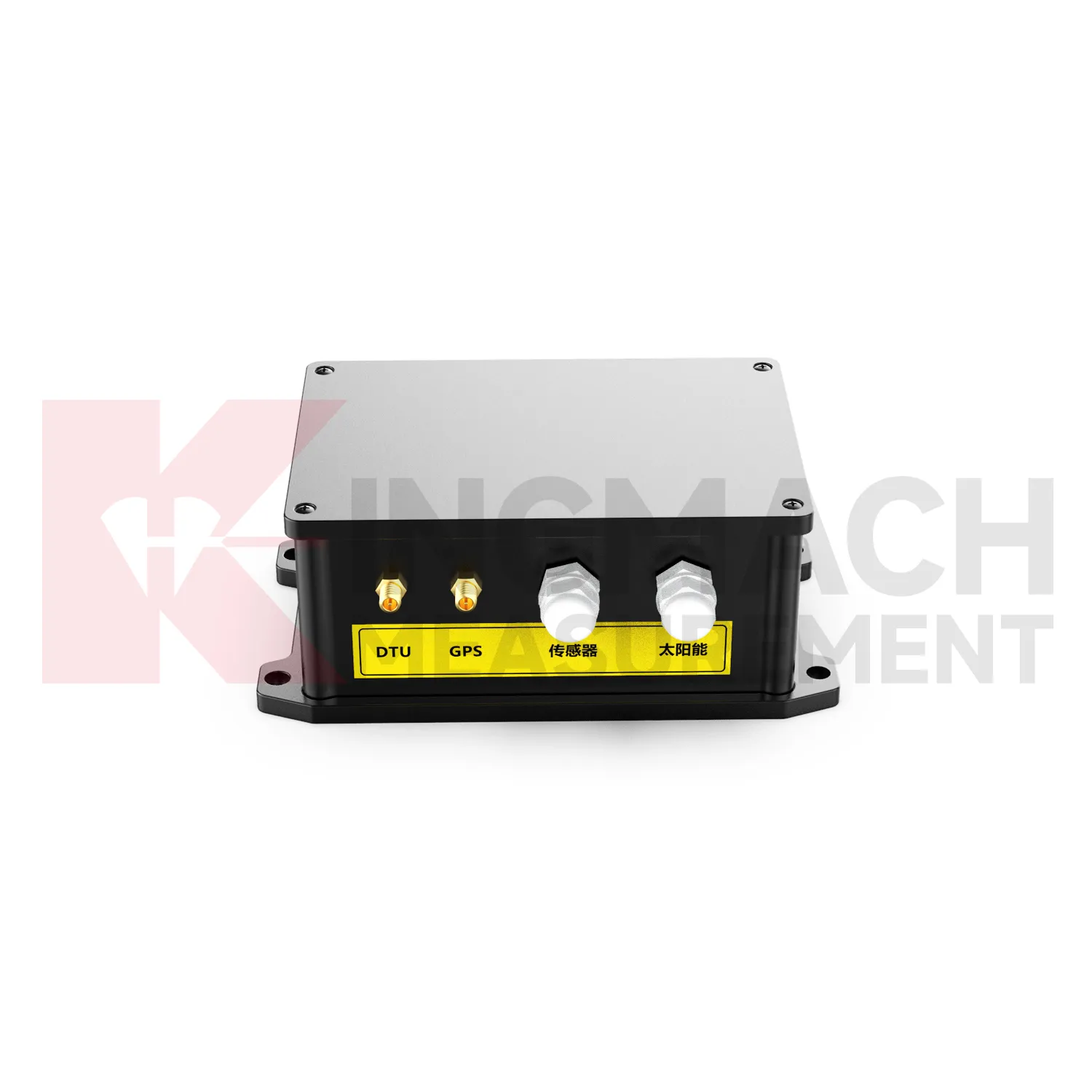
Wireless Data Logger (low power consumption design) JMWX-5RTU
View Details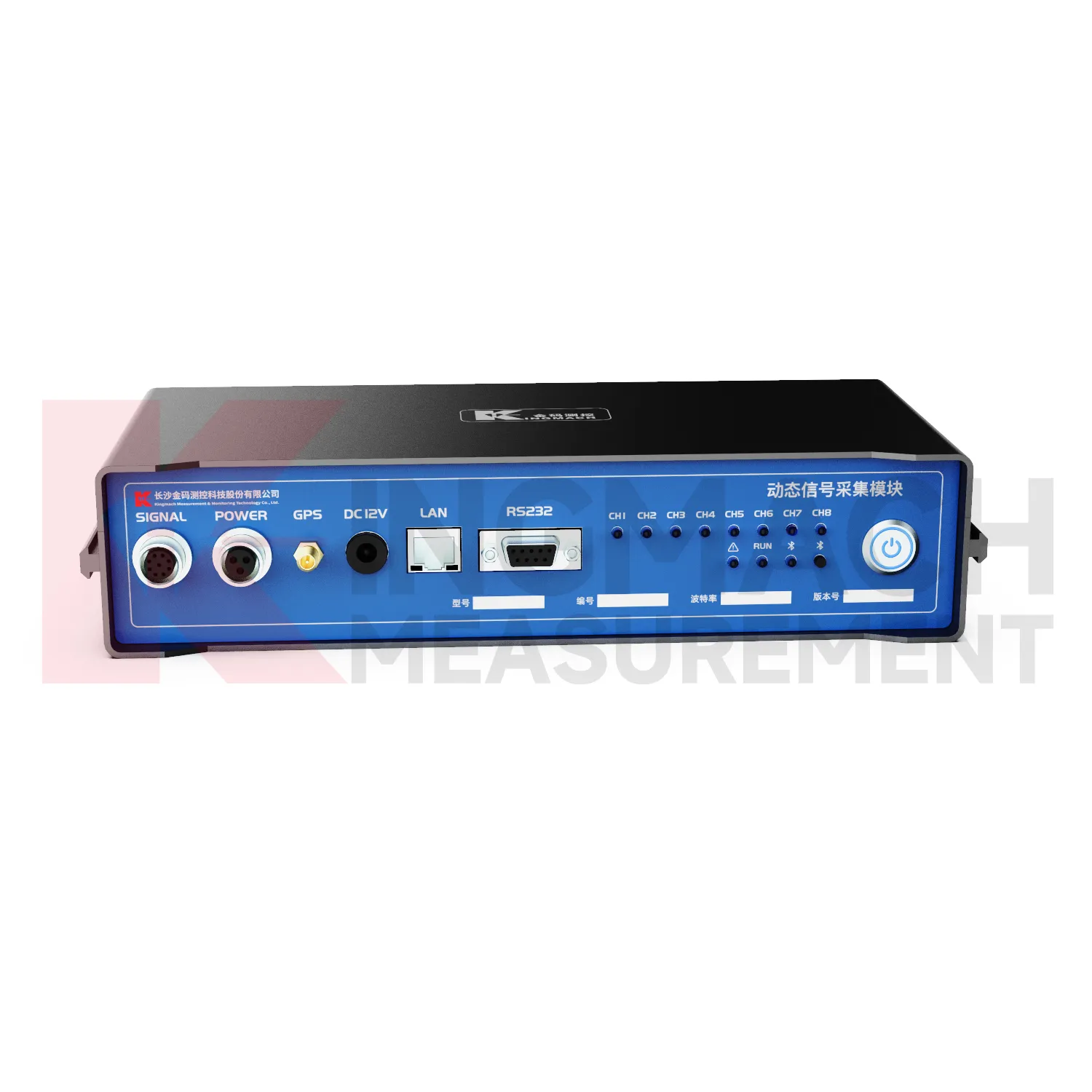
Dynamic signal acquisition module JMYD-1008XC
View DetailsFAQ
The exact number depends on how many sensors are connected and how often you sample. With a typical hourly logging schedule and five vibrating wire sensors, the average current draw is in the hundreds of microamps. That means a 30 Ah lead-acid battery and a small solar panel can carry it through heavy overcast periods without trouble. Kingmach can provide a power budget sheet for your specific sensor mix before you order.
The standard terminals accept vibrating wire sensors (including those with integrated thermistors), 4–20 mA transmitters, differential-resistance cells, and digital sensors using RS485 or SDI-12. Most geotechnical instruments fit into one of those categories. If you have something unusual, the company’s engineers can check whether a simple signal conditioner would make it work—they have done that for several niche sensors in the past.
There are three main ways: the module can push data to a server through the built-in 4G modem, send it over a local LoRa network to a gateway, or simply store it on an SD card that you retrieve manually. The 4G option is the most common for remote sites, and the module supports MQTT and HTTP uploads out of the box. The SD card can be swapped during site visits without powering down the unit.
The enclosure meets IP66 and has been used in environments from tropical landslides to cold-region dams. It does not have an internal heater, but the low-power operation itself generates almost no frost or condensation issues. Mounting it under a small shade or inside a fiberglass cabinet is enough to keep condensation from pooling on the connectors. The power terminals and signal terminals are all sealed against moisture ingress.
Often yes. The module can read existing sensors that are still in good shape, and its Modbus output can connect to a telemetry unit you already have. Kingmach regularly helps clients with mixed-vendor setups—send them a list of what is already in the ground, and they will confirm whether a single central acquisition module can replace several old dataloggers.
Share your product type, target capacity, and application requirements. Our team can review the details and recommend a practical next step.
If you are interested in our products or want to become our partner.
Please leave your contact information, our team will contact you as soon as possible.
Mail: [email protected]
Contact Us: +8613808434127
Address: No. 188 Tongzipo West Rd, Changsha, Hunan, China