
 EN
EN
 ar
ar bg
bg hr
hr cs
cs da
da nl
nl fi
fi fr
fr de
de el
el hi
hi it
it ko
ko no
no pl
pl pt
pt ro
ro ru
ru es
es sv
sv tl
tl iw
iw id
id lv
lv lt
lt sr
sr sk
sk sl
sl uk
uk vi
vi et
et hu
hu th
th tr
tr fa
fa ms
ms hy
hy ka
ka ur
ur bn
bn mn
mn ta
ta kk
kk uz
uz ku
ku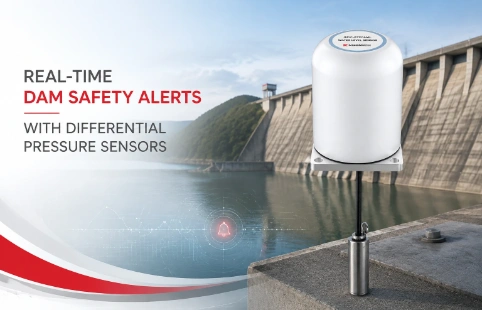
Real-Time Dam Safety Alerts with Differential Pressure Water Level Sensors
Key Takeaways An alert chain needs more than a sensor: define field in...

2 Axis Inclinometer: Reliable Dual-Axis Tilt Measurement
Tilt monitoring often comes down to a simple need: know how much movement is happening and in which direction, without fussing over multiple sensors. A 2 axis inclinometer measures pitch and roll simultaneously from one mounting point. That cuts installation work in half compared to pairing two single-axis units. Kingmach has been making these sensors long enough to understand that real-world projects rarely match textbook conditions. You might need a different cable length, a non-standard measurement range, or a signal that talks easily to your existing logger. So instead of off-the-shelf only, expect a conversation about how to make the sensor fit your borehole, wall, or machinery. The aim isn't to dazzle with specs—it's to deliver readings you can trust over years of operation, even when buried in a landslide zone or submerged in a dam.
Technical Detail
Kingmach's 2 axis inclinometers are built for geotechnical and structural monitoring where reliable tilt data matters. Each sensor measures angular displacement in two orthogonal planes, typically X and Y, using a MEMS accelerometer or electrolytic cell—chosen based on resolution and long-term stability needs. Many projects find that a single dual-axis probe simplifies borehole installations: one casing, one cable run, two data channels. Output interfaces cover common field requirements. Analog options include 4-20mA current loop and 0-5V voltage; digital versions talk Modbus RTU over RS485 or CAN bus. That flexibility helps when you're integrating with older data loggers or newer wireless nodes. The housing is usually machined from stainless steel or anodized aluminum, sealed to IP67 or IP68. Standard measurement ranges go from ±5° up to ±60°, but custom angles are part of their regular service—if a tunnel convergence job needs ±3°, they will calibrate for that. Each unit ships with a test report showing the actual scale factor and linearity, not just a datasheet promise. Customers often ask about temperature drift. Kingmach applies compensation during production and can provide thermal characterization curves if the sensor will be exposed to wide swings. Beyond the hardware, they help with mounting brackets, cable armor, and communication setup. With production facilities geared for customization, delivery times for standard sensors are a couple of weeks; special builds take a bit longer. Stock is maintained in key markets to support urgent orders. The practical benefit is having a supplier who treats a sensor as part of a larger monitoring system, not an isolated component.
News
Key Takeaways An alert chain needs more than a sensor: define field in...
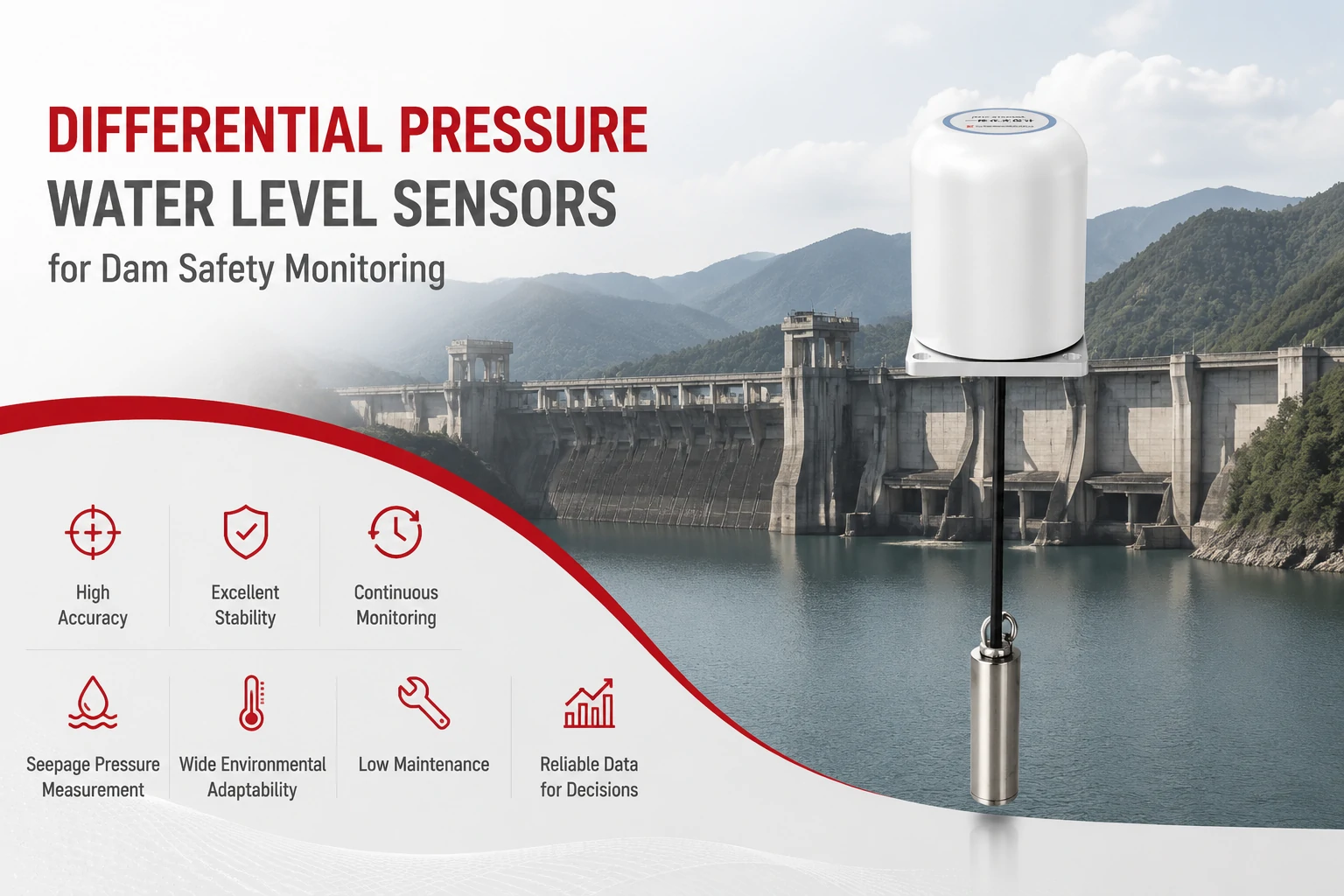
Key Takeaways The strongest fit is usually a confined, submerged, or s...
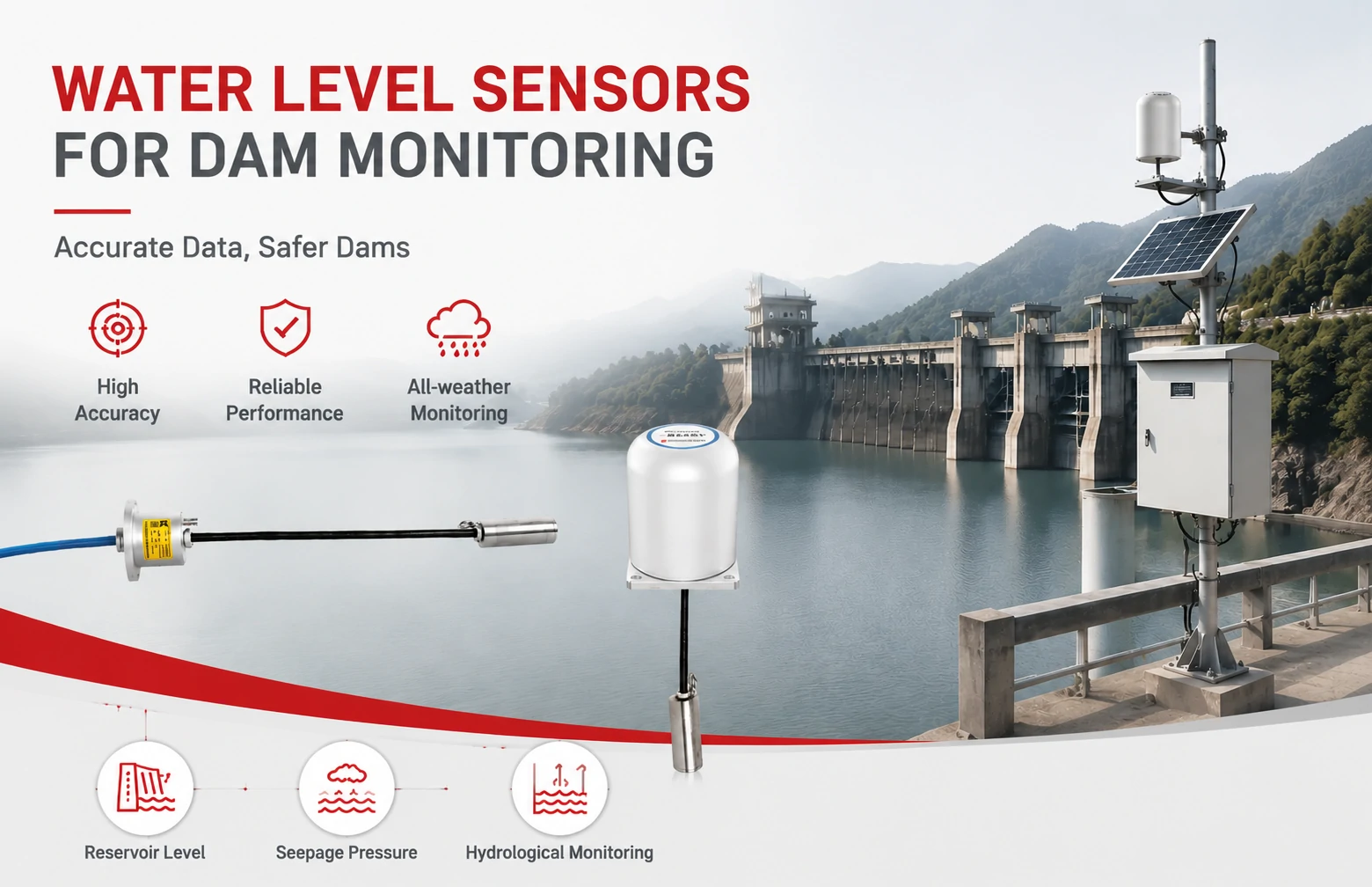
Kingmach Water Level Sensors for Dam Monitoring: A Buyer's Guide to Differential Pre...
Products
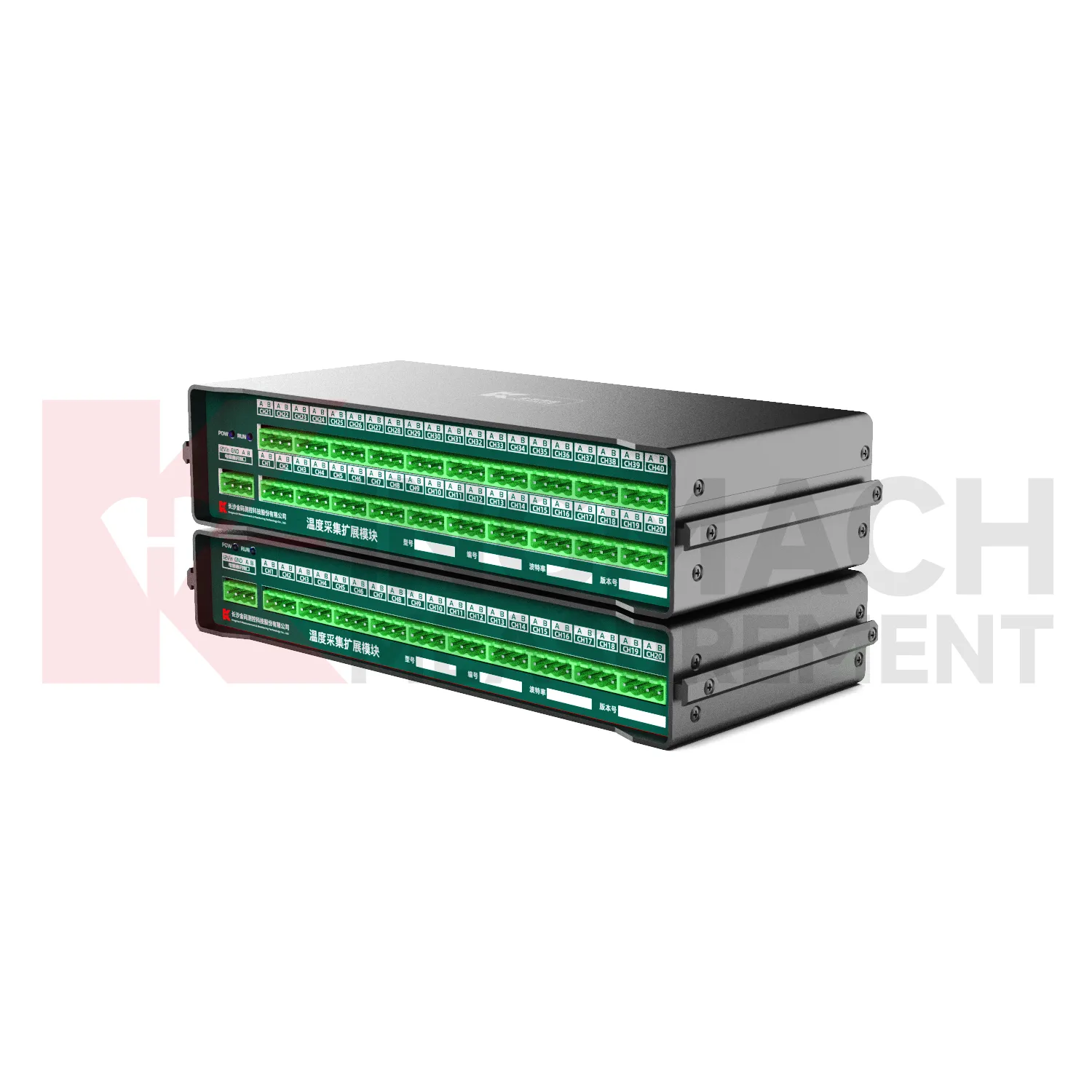
Temperature Acquisition Expansion Module JMWT-XXRTH
View Details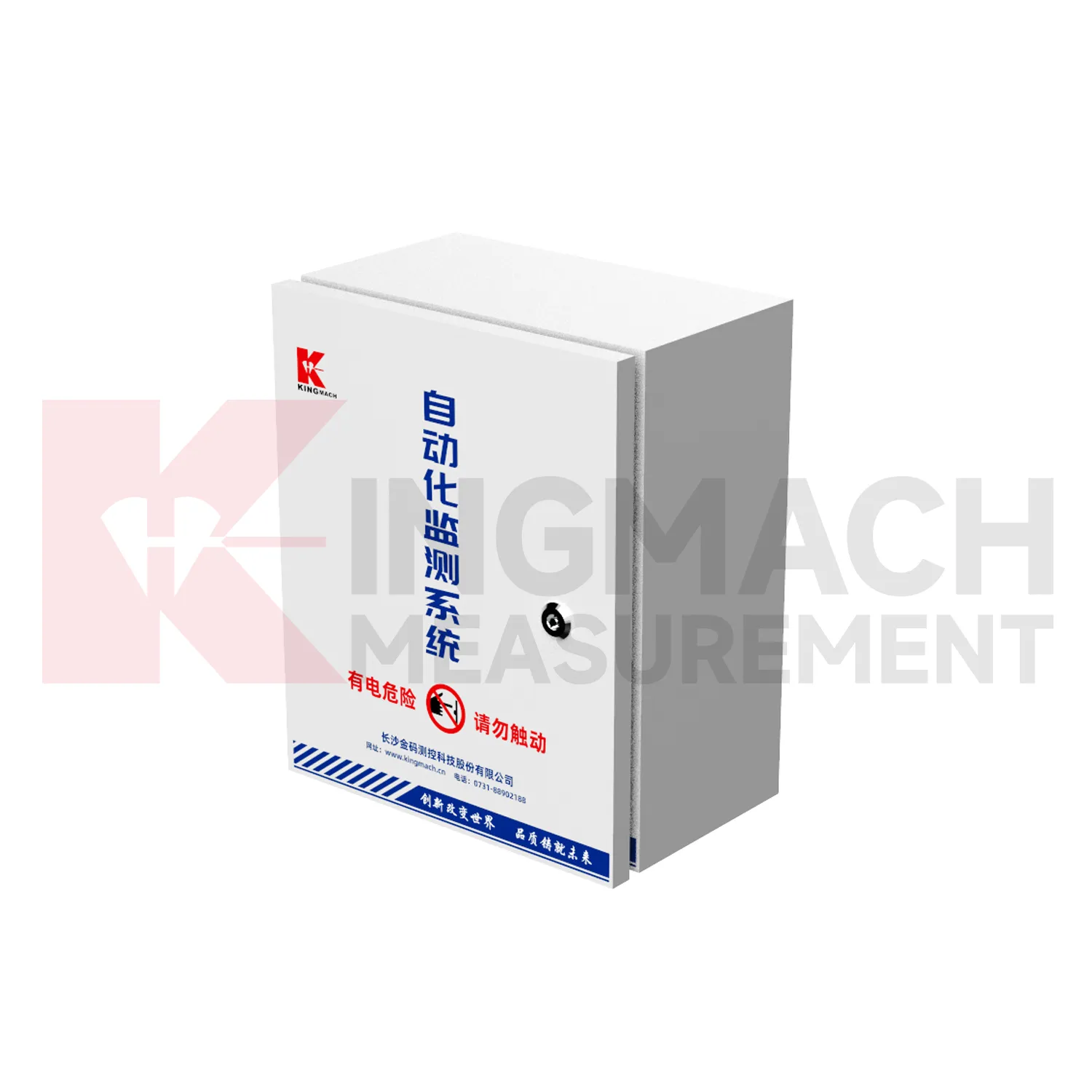
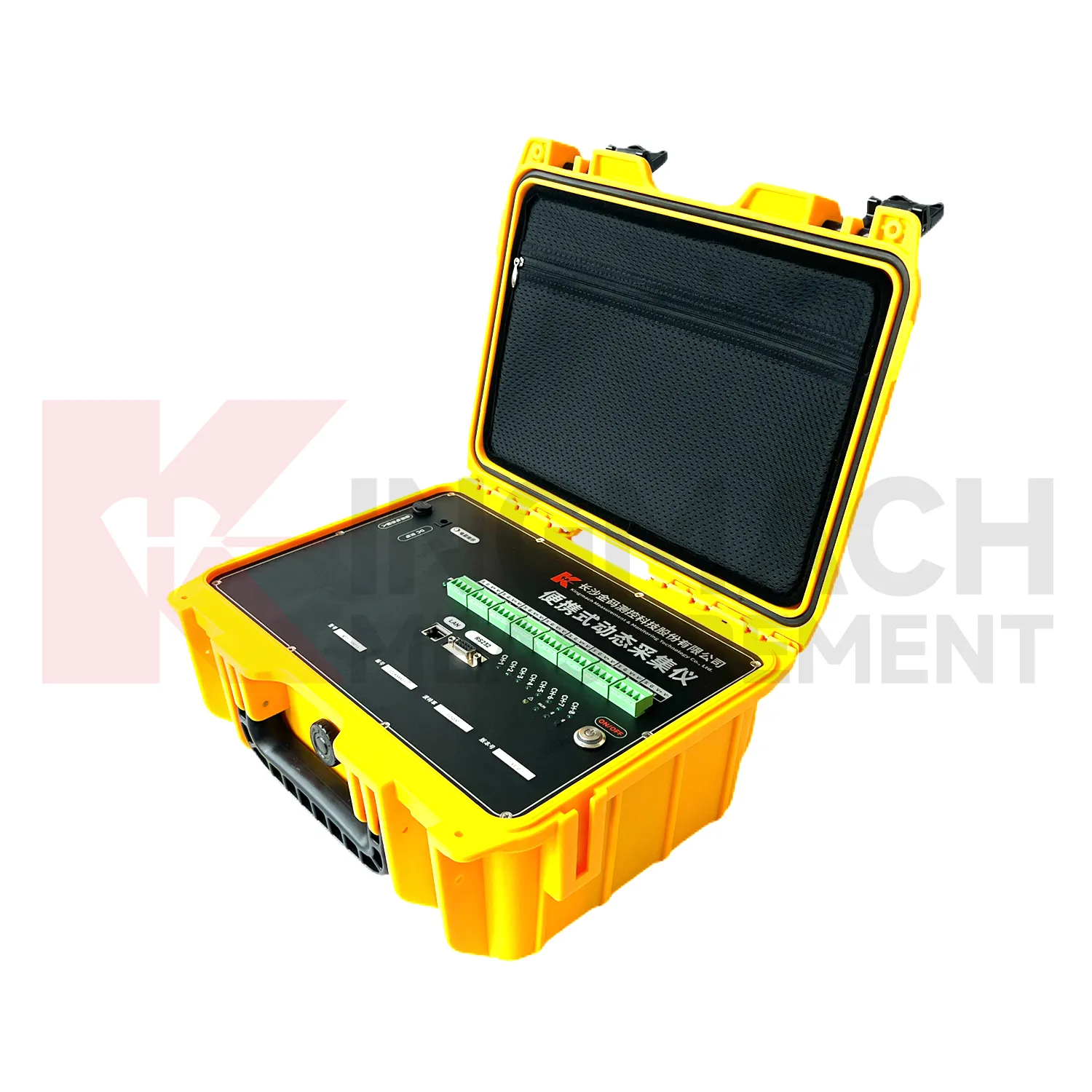
Portable Dynamic Signal Acquisition Readout JMYS-1008BX
View DetailsFAQ
A dual-axis unit gives you X and Y tilt data from a single position. For in-place installations, that means you drill one borehole and run one cable instead of two. The trade-off is that if one channel fails, the whole sensor must be replaced, whereas separate sensors let you swap one axis.
Resolution often reaches 0.001°, but practical field accuracy over temperature is closer to 0.05°. Kingmach units are temperature-compensated at the factory. Each comes with a calibration sheet, so you know the exact error bands rather than relying on a generic datasheet.
Yes. You can specify cable lengths up to several hundred meters, with molded connectors, bare wires, or military-style plugs. For abrasive environments, Kevlar-reinforced or polyurethane-sheathed cables are available.
It depends on the output you select. A 4-20mA model wires directly into an analog input channel. An RS485 model uses Modbus RTU protocol—you'll need to configure baud rate and device ID. Kingmach provides a communication manual and example code to speed up integration.
Standard range units often ship in 1–2 weeks. Custom angles or special housings may take 3–4 weeks. Rush orders can sometimes be met from regional stock if the configuration matches a common variant.
Share your product type, target capacity, and application requirements. Our team can review the details and recommend a practical next step.
If you are interested in our products or want to become our partner.
Please leave your contact information, our team will contact you as soon as possible.
Mail: [email protected]
Contact Us: +8613808434127
Address: No. 188 Tongzipo West Rd, Changsha, Hunan, China