
 EN
EN
 ar
ar bg
bg hr
hr cs
cs da
da nl
nl fi
fi fr
fr de
de el
el hi
hi it
it ko
ko no
no pl
pl pt
pt ro
ro ru
ru es
es sv
sv tl
tl iw
iw id
id lv
lv lt
lt sr
sr sk
sk sl
sl uk
uk vi
vi et
et hu
hu th
th tr
tr fa
fa ms
ms hy
hy ka
ka ur
ur bn
bn mn
mn ta
ta kk
kk uz
uz ku
ku
weir flow meter Domestic Manufacturing
Kingmach weir flow meter Domestic Manufacturing should be presented through the user’s water-management task. A municipal drainage operator may need to know whether a channel is clearing stormwater. A tunnel maintenance team may need to track discharge from a drainage section. An irrigation manager may need to compare delivery between periods. A hydraulic engineer may need a repeatable record for a test structure. The same measurement principle supports these tasks, but the site details and reports are different. The product description can guide project planning around the purpose, the channel condition, the record interval, and the maintenance access. This creates a more useful page than one that repeats a product name or a list of technical values. For water accounting or resource management, the same section, reference point, and maintenance discipline make seasonal and operational comparison reliable. If the channel is modified, the record should not hide the change. A repair, new crest, cleaned approach, moved enclosure, or changed data channel can affect comparability and should be visible beside the next flow trend. The field record should explain the water path, the condition before the reading changed, the inspection access, and whether nearby operations or weather events affected the channel. This keeps the flow curve connected to real site behavior rather than leaving it as an isolated number.
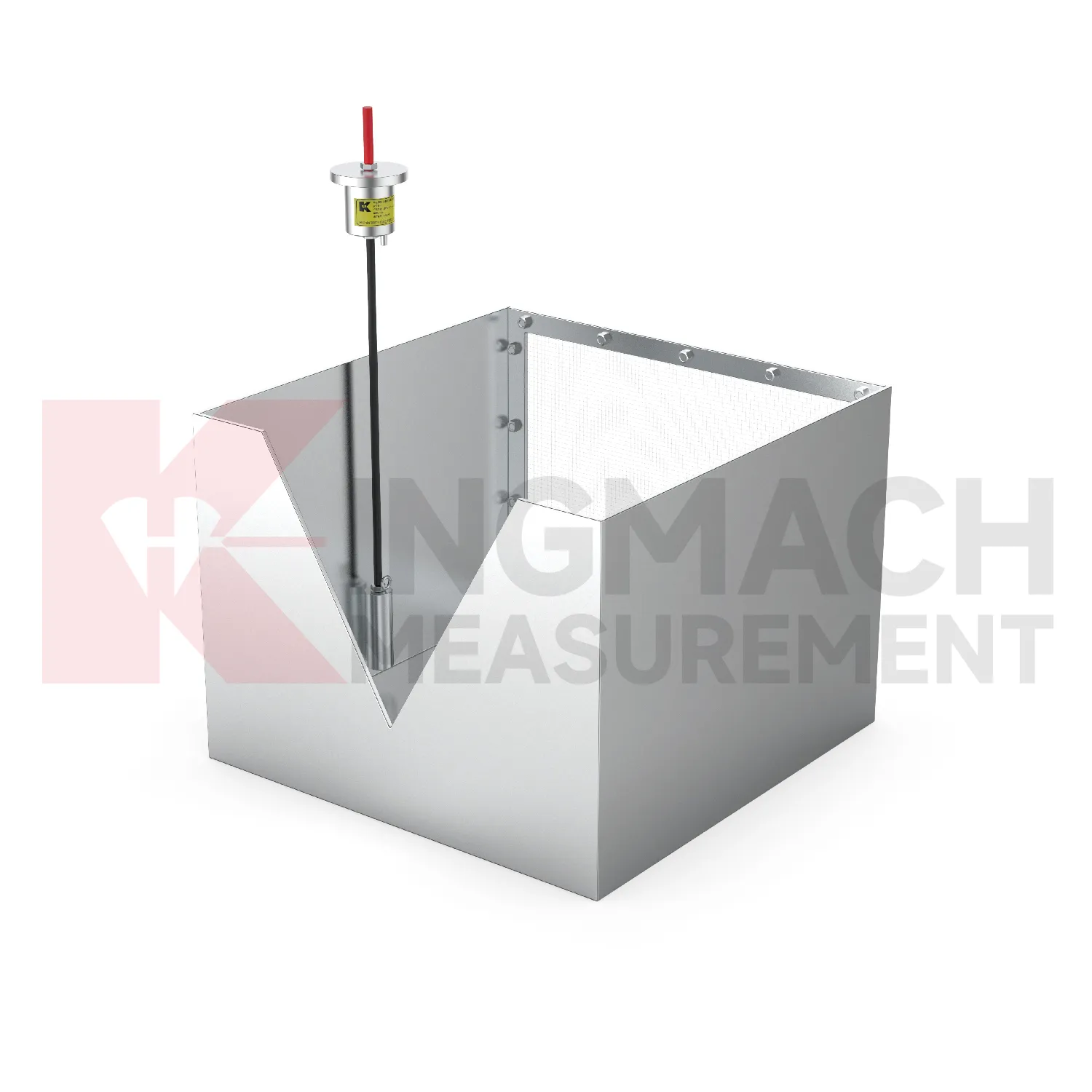
Application of weir flow meter Domestic Manufacturing
Integrated monitoring platforms use Kingmach weir flow meter Domestic Manufacturing as the flow layer beside rainfall, water level, seepage, settlement, displacement, and environmental records. The platform should not treat flow as an isolated number. Each flow point should be linked to the water path it represents and the engineering question it supports. For a slope, flow may relate to drainage and groundwater. For a tunnel, it may relate to seepage collection. For irrigation, it may relate to delivery. For construction, it may relate to runoff control. During an abnormal event, the reviewer should see flow timing, related conditions, inspection notes, and any maintenance action in one place. This makes the record useful for operation and decision-making. A practical review also checks whether the measuring section remained clean and hydraulically stable. Sediment, debris, vegetation, downstream backwater, or a disturbed approach can change the meaning of the same water-head reading, so those conditions belong in the project notes. For long-term operation, the point name, flow direction, channel purpose, cleaning history, and first stable value should remain visible. Those details help a new operator understand why the point exists and how the data should be used after handover. During abnormal events, the team should compare the flow record with rainfall, upstream control, pumping, seepage, inspection findings, and maintenance work. That comparison helps separate normal water response from blockage, measurement disturbance, or a change in the water system.
The future of weir flow meter Domestic Manufacturing
Water-related risk review will shape future Kingmach weir flow meter Domestic Manufacturing. In slopes, dams, tunnels, and drainage systems, flow changes can be early evidence of a changing water path. Future monitoring should compare flow with seepage, pore pressure, rainfall, settlement, displacement, and inspection notes where those records exist. A flow rise alone may not mean danger, but a flow rise with movement or seepage change deserves attention. A flow drop can also matter if it suggests blockage or a changed drainage path. Future reporting should help teams see these combinations quickly. Risk review needs clear grouping of related records. Engineers should be able to see whether flow changed before, after, or at the same time as rainfall, pressure, or movement. That timing can guide the next field check and help avoid overreacting to a single isolated value. A practical report should make relationships visible without hiding the need for professional judgment. Carefully.
Care & Maintenance of weir flow meter Domestic Manufacturing
Cleaning routines are essential for Kingmach weir flow meter Domestic Manufacturing. Leaves, trash, silt, scale, biological growth, and floating material can change how water passes the crest. Cleaning frequency should depend on site exposure, season, rainfall, upstream activity, and past blockage history. After cleaning, record the date, condition found, action taken, and first normal reading. This note helps reviewers understand whether a flow change came from water behavior or maintenance. A gradual drop followed by cleaning may suggest blockage. A sudden rise after cleaning may mean the channel was restricted before the work. These details keep the flow record honest. Cleaning should also protect the measuring section from accidental damage. Staff should avoid striking the crest, moving reference marks, or leaving tools and waste near the approach channel. A simple before-and-after photo gives later reviewers a quick view of what changed. That visual record is often enough to explain a shift in the trend after field work.
Kingmach weir flow meter Domestic Manufacturing
Kingmach weir flow meter Domestic Manufacturing explains the relationship between water head and flow without turning the page into a hydraulic formula sheet. The key idea is simple: the weir creates a known control section, and the water level at that section gives a basis for calculating discharge. Site conditions decide whether the record is trustworthy. Turbulence, sediment, floating debris, poor leveling, backwater, or a disturbed approach channel can weaken the measurement. The product information directs attention to those practical concerns and shows that accurate flow monitoring depends on both instrument capability and channel discipline. For water accounting or resource management, the same section, reference point, and maintenance discipline make seasonal and operational comparison reliable. If the channel is modified, the record should not hide the change. A repair, new crest, cleaned approach, moved enclosure, or changed data channel can affect comparability and should be visible beside the next flow trend. This keeps the buyer focused on field performance, not isolated readings.
FAQ
Q: How does Kingmach weir flow meter Domestic Manufacturing help drainage projects?
A: It shows how discharge changes during routine operation, storms, dewatering, blockage, cleaning, or downstream backwater.
Q: How does it help irrigation projects?
A: It helps compare delivery timing, flow distribution, channel condition, rainfall effect, and water-use management across operating periods.
Q: How does it help tunnels?
A: It can track drainage or seepage-related flow and compare changes with rainfall, groundwater, maintenance cleaning, or underground construction activity.
Q: How does it help dam or slope drainage?
A: It provides a flow record that can be reviewed with seepage, rainfall, pore pressure, settlement, displacement, and inspection notes.
Q: How does it fit into a platform?
A: It works as the flow layer beside rainfall, water level, seepage, environmental, and structural monitoring records. A weir point also needs safe routine access. If staff cannot reach the crest, enclosure, or sensing area during wet weather, the project may collect data but struggle to maintain confidence in it when the record is most important.
Reviews
Ryan Lewis
Fast delivery and excellent product quality. The accelerometers and tiltmeters are highly reliable. Strongly recommend this company.
Michael Anderson
The strain gauges and load cells are extremely accurate and stable. They performed very well in our bridge monitoring project. Highly recommended!
Latest Inquiries
To protect the privacy of our buyers, only public service email domains like Gmail, Yahoo, and MSN will be displayed. Additionally, only a limited portion of the inquiry content will be shown.
Olivia***@gmail.comUnited States
Hello, we are currently sourcing high-precision strain gauges and load cells for a bridge monitoring...
Harper***@gmail.comIndia
Dear Sir, we are planning to procure a complete monitoring system including strain gauges, tiltmeter...