
 EN
EN
 ar
ar bg
bg hr
hr cs
cs da
da nl
nl fi
fi fr
fr de
de el
el hi
hi it
it ko
ko no
no pl
pl pt
pt ro
ro ru
ru es
es sv
sv tl
tl iw
iw id
id lv
lv lt
lt sr
sr sk
sk sl
sl uk
uk vi
vi et
et hu
hu th
th tr
tr fa
fa ms
ms hy
hy ka
ka ur
ur bn
bn mn
mn ta
ta kk
kk uz
uz ku
ku
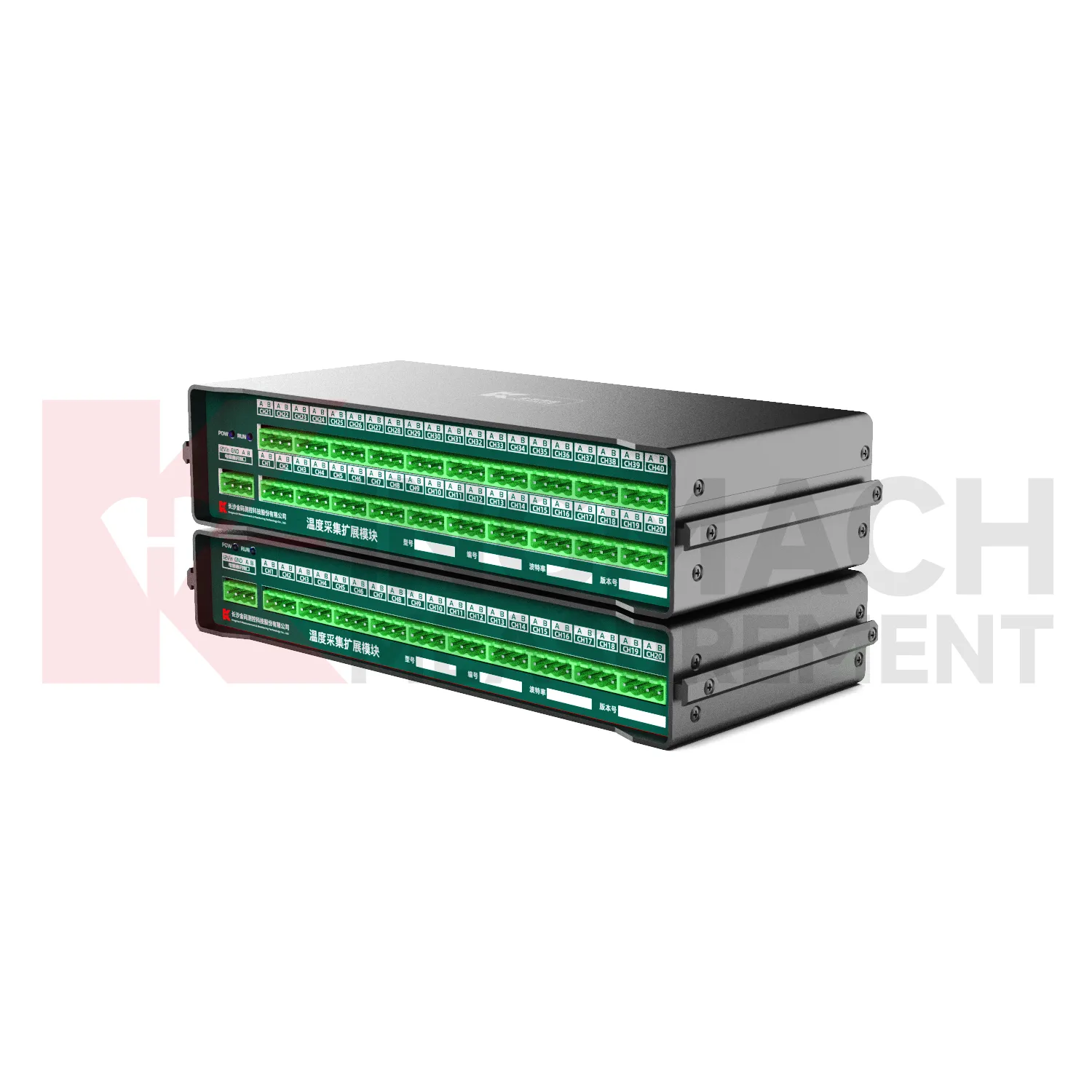
Temperature Acquisition Expansion Module
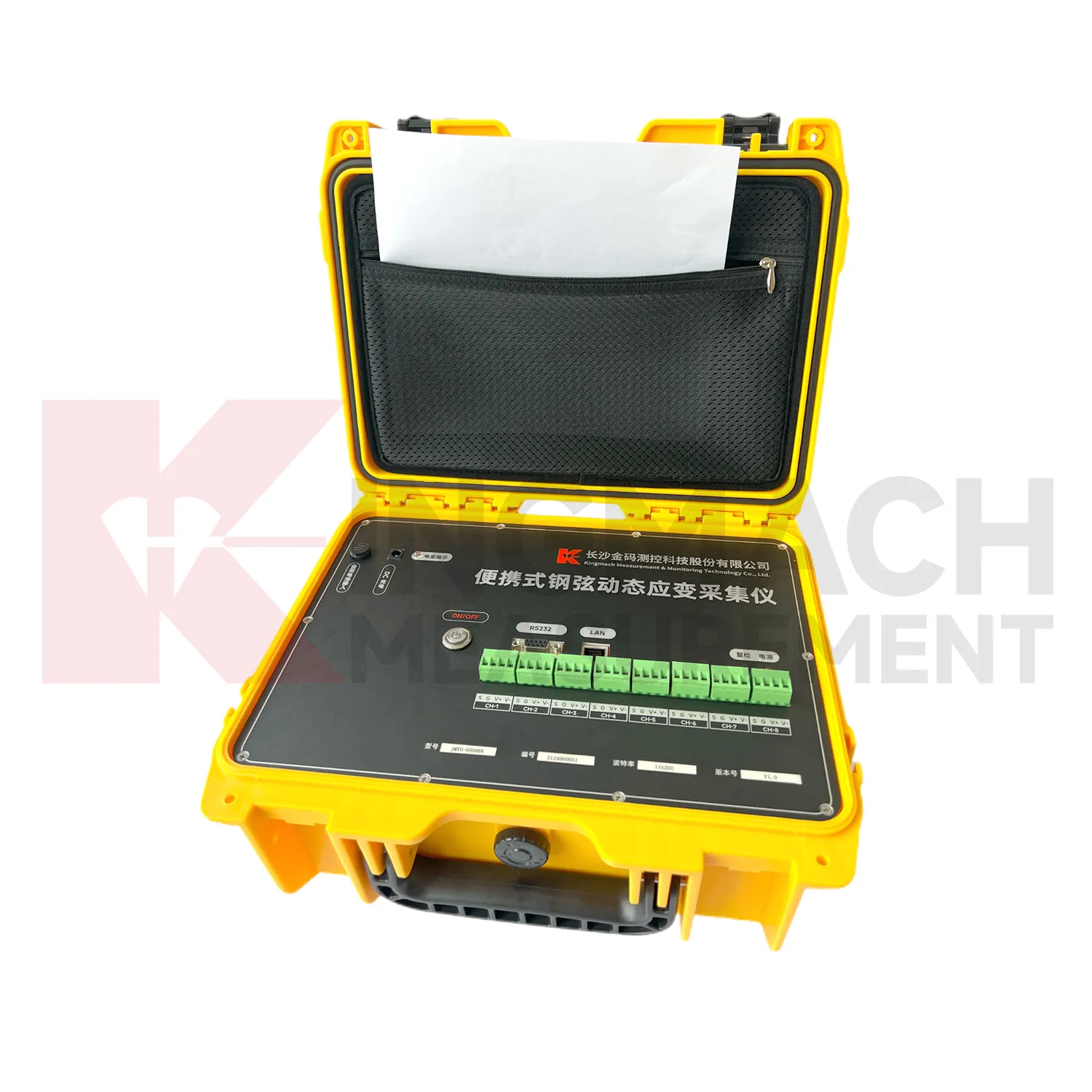
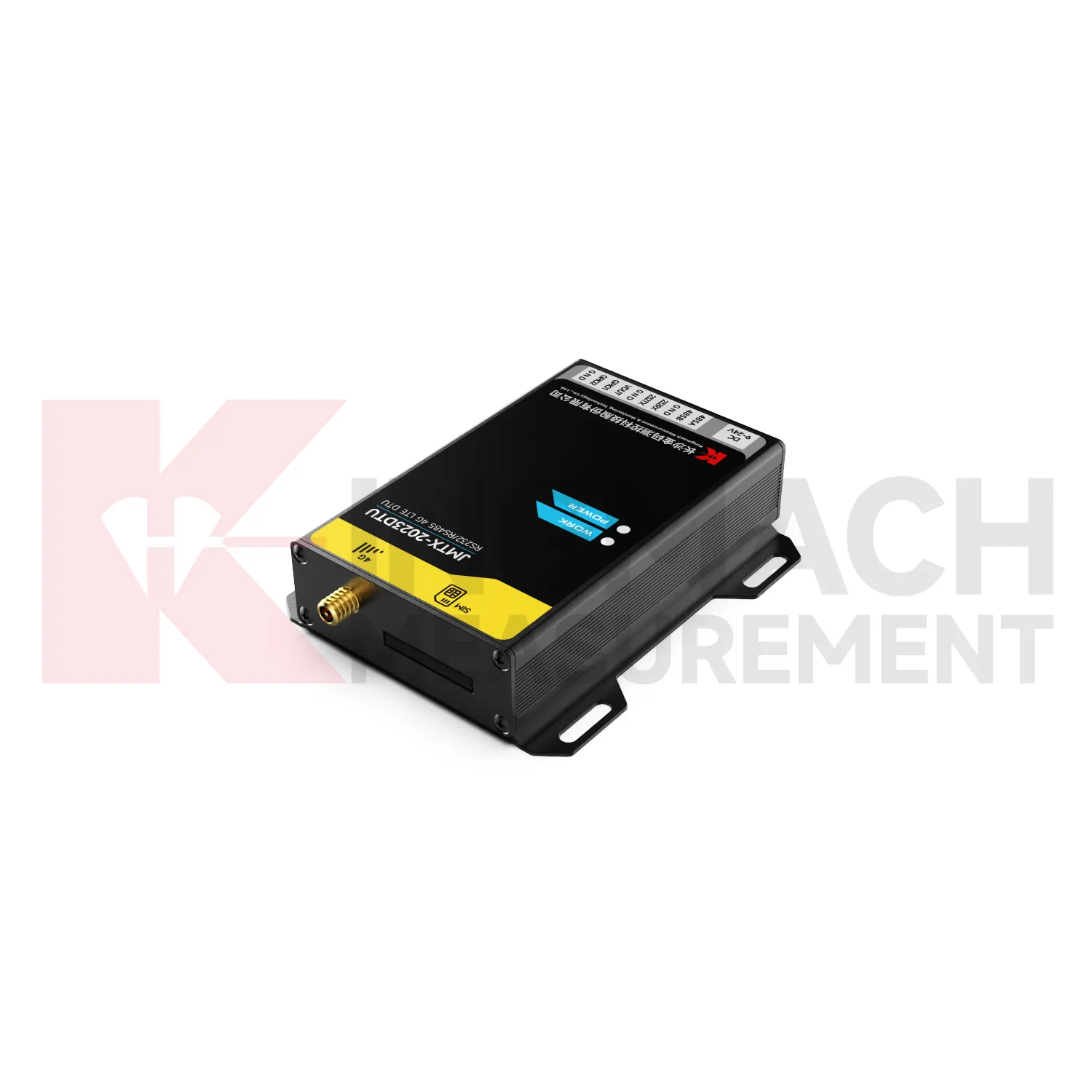
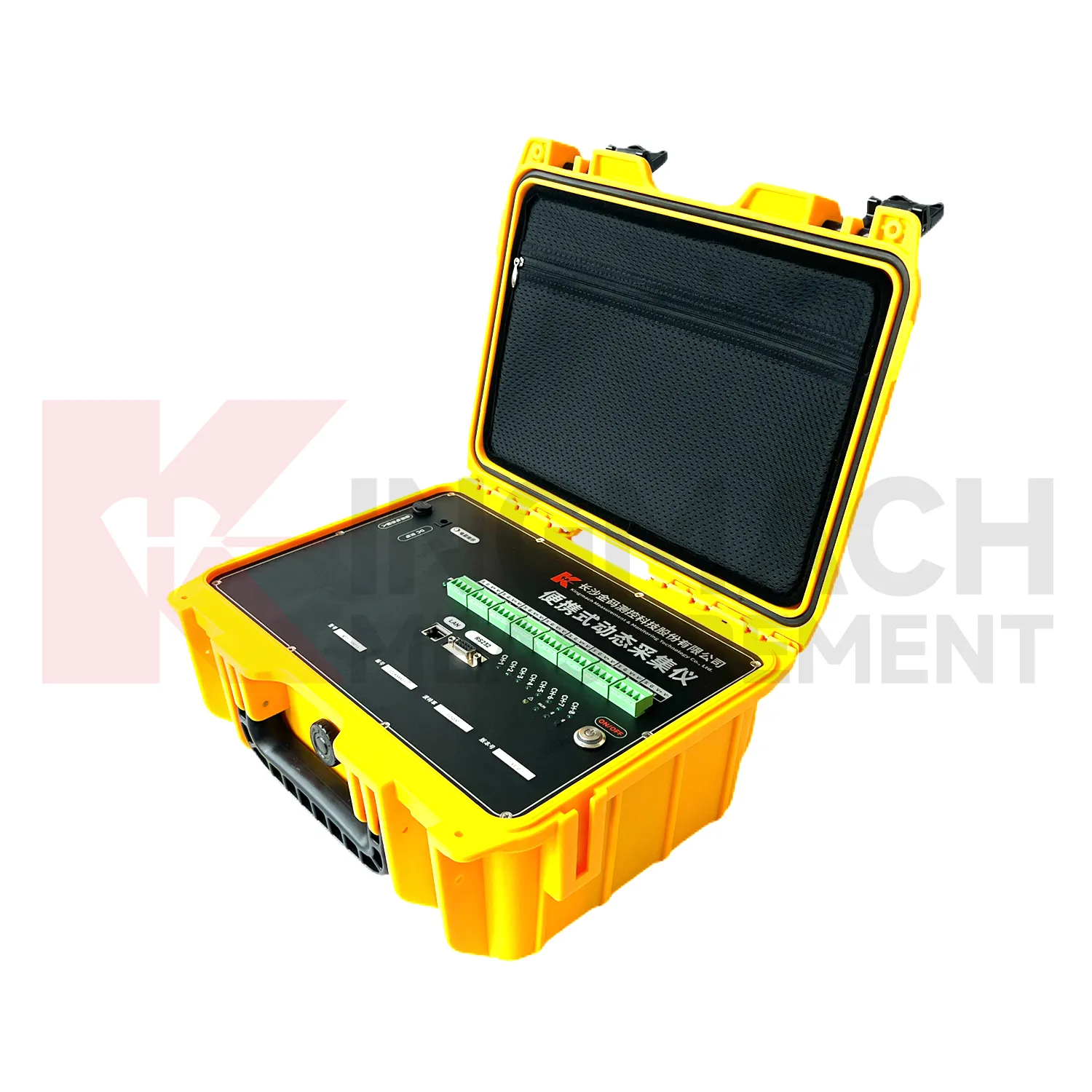
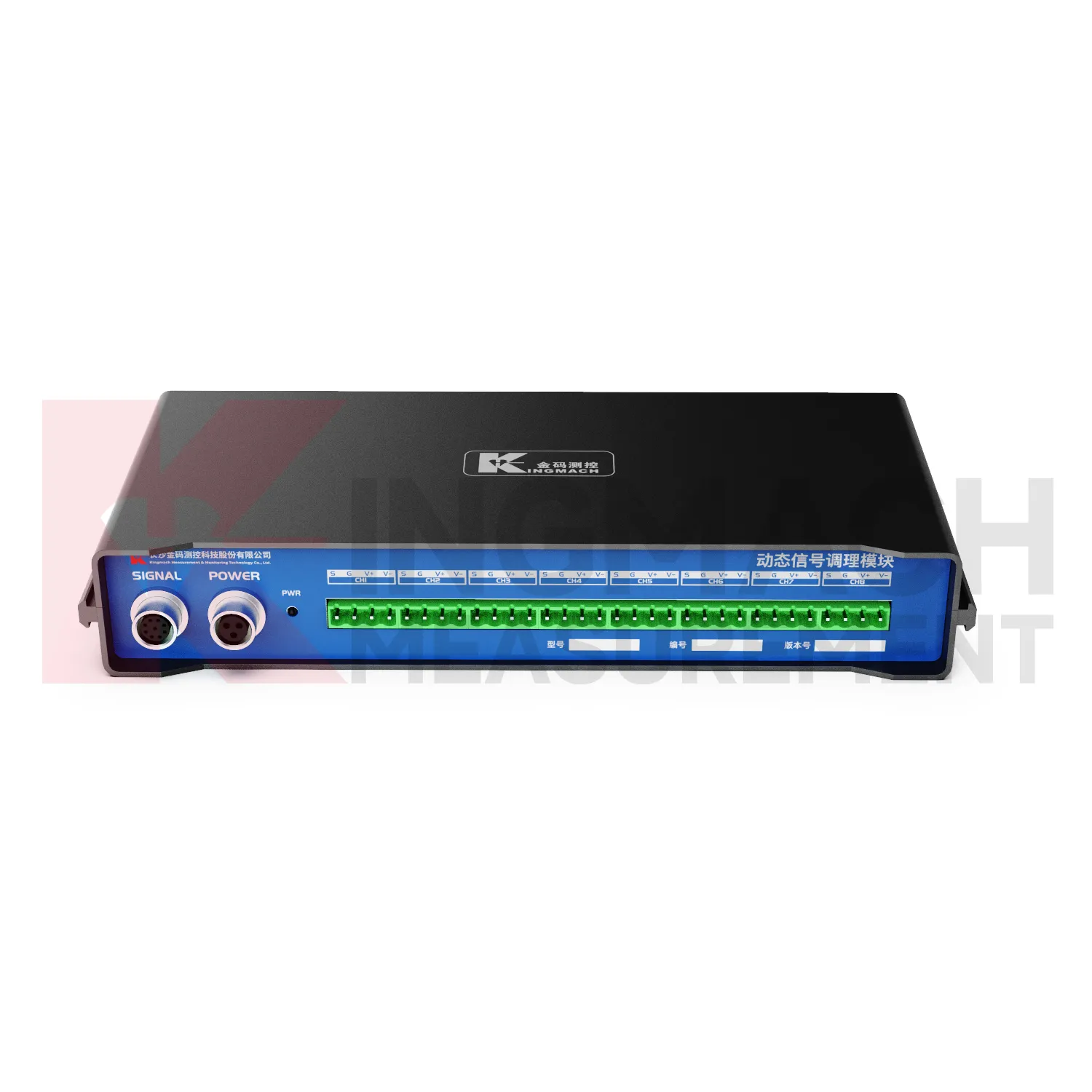
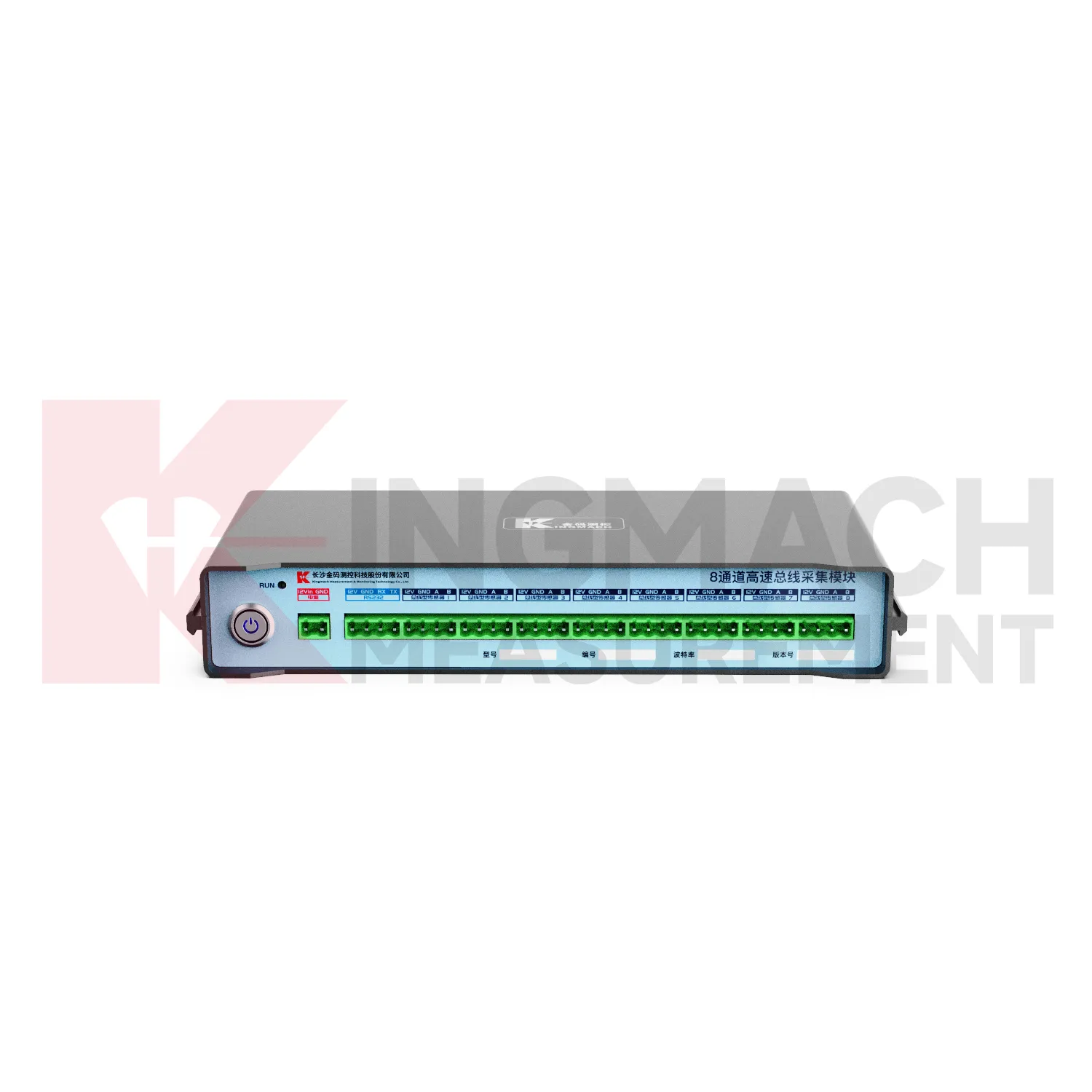
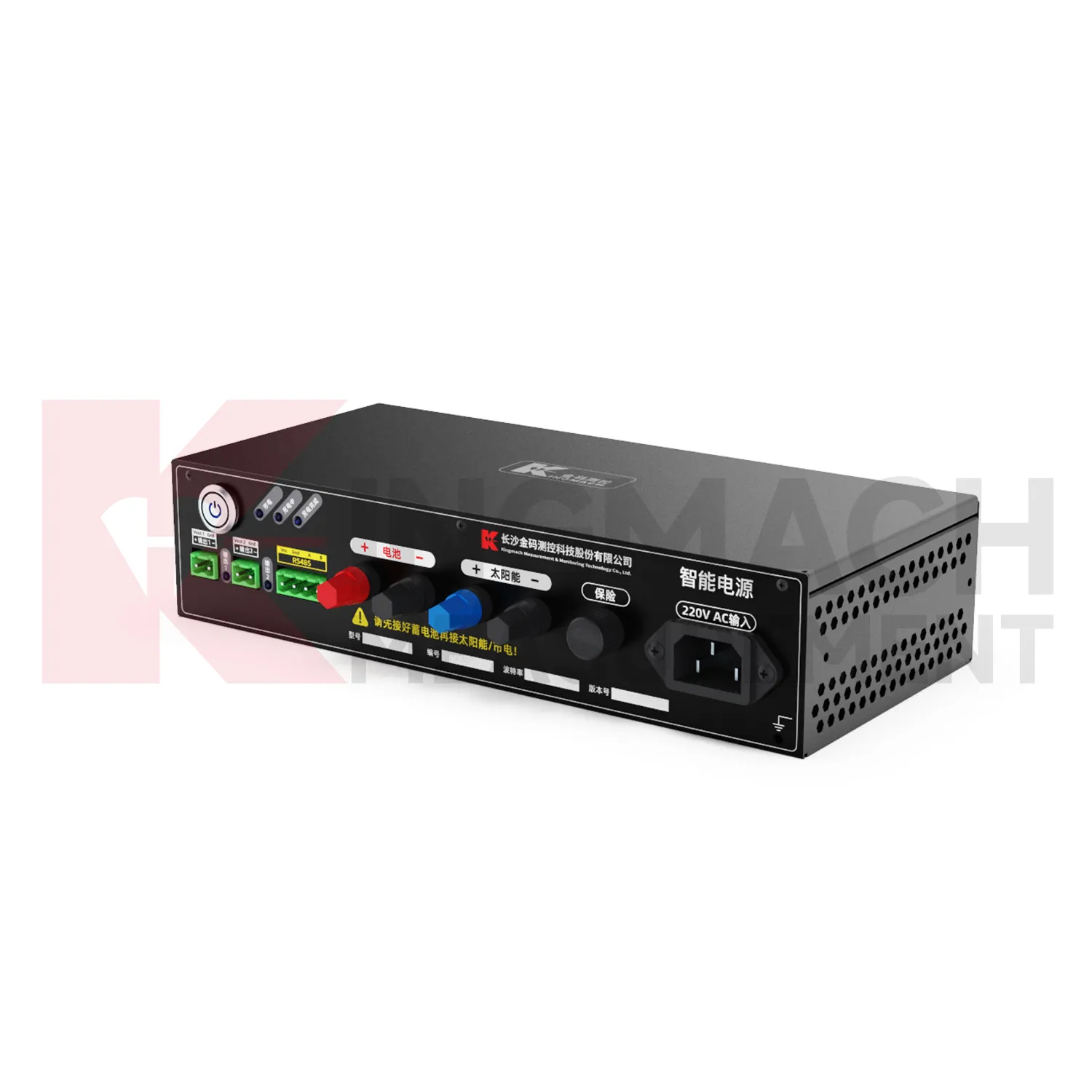
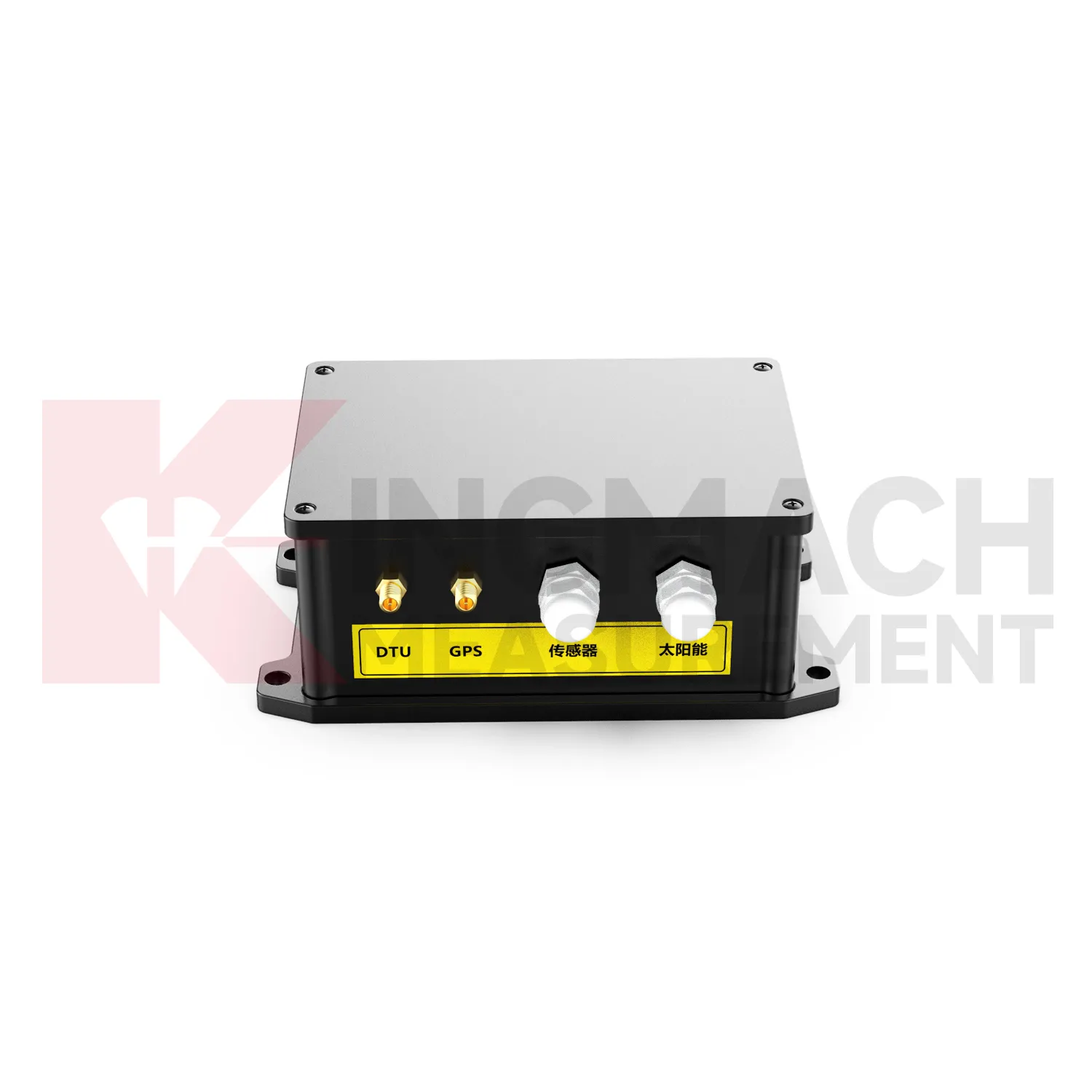
Kingmach Temperature Acquisition Expansion Module help project teams balance portability, automation, and data quality. Portable instruments are easy to carry and useful for spot measurement, sensor commissioning, and temporary tests. Fixed or wireless data loggers are better for routine acquisition, unattended stations, and remote monitoring. Dynamic signal acquisition equipment is needed when the event is short or the waveform must be reviewed. The buyer should not select the device only by channel count. The better question is how the data will be collected, checked, transmitted, stored, and used by the engineer or owner. That workflow determines whether the acquisition record remains useful after installation. Portability helps field crews move quickly, but automation protects continuity when nobody is on site. High-speed capture helps short events, while scheduled logging supports slow movement and environmental change. Matching these roles prevents overbuilding a simple inspection route or under-equipping a safety station that requires continuous review. The result is a more disciplined purchase and a cleaner field workflow. Teams can select a handheld readout for verification, a wireless logger for remote duty, or dynamic acquisition for event behavior without mixing their roles. This keeps the acquisition plan aligned with field access, risk level, and reporting requirements. over time.
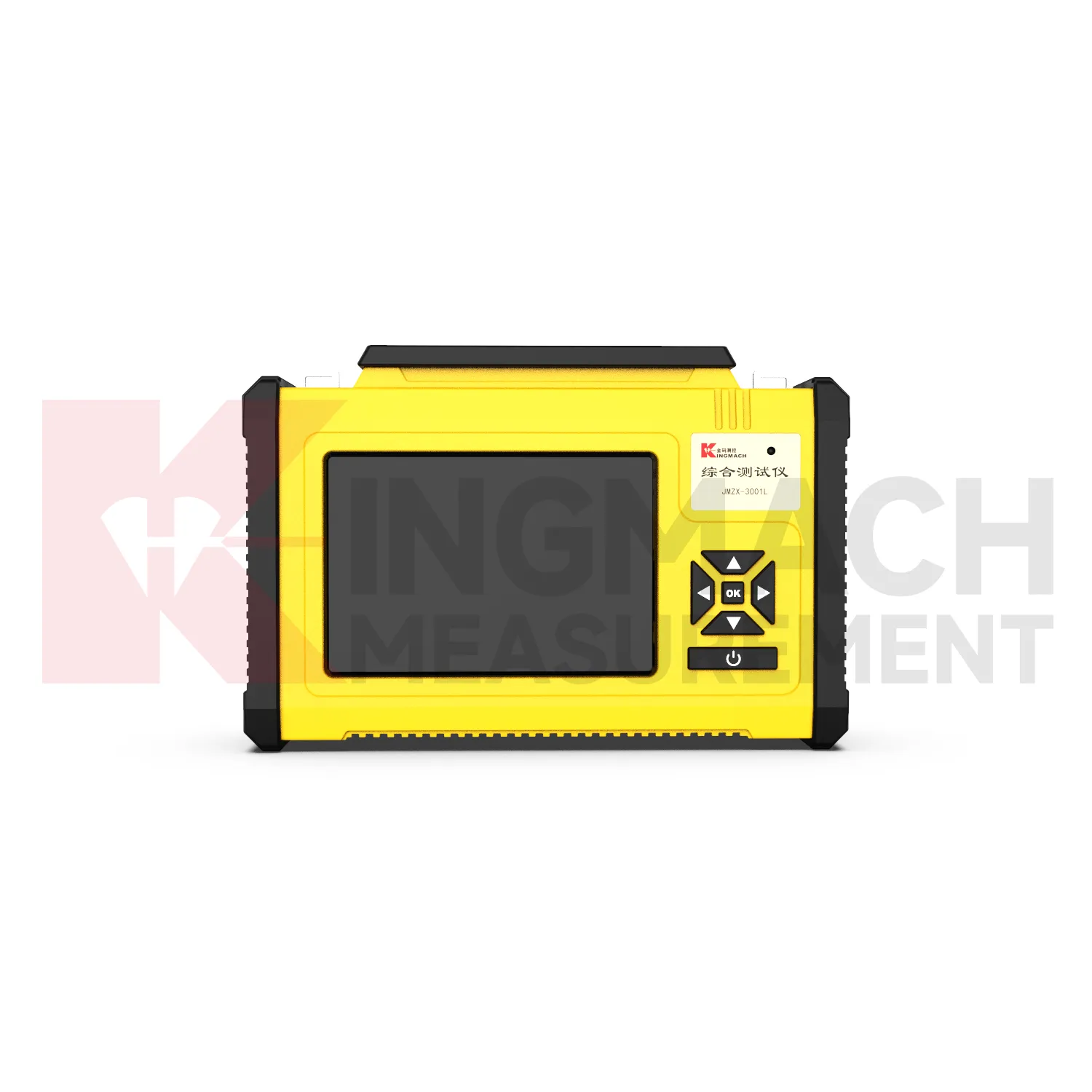
Application of Temperature Acquisition Expansion Module
Long-term asset monitoring uses Kingmach Temperature Acquisition Expansion Module when owners need records that survive staff changes and maintenance cycles. A bridge, dam, tunnel, slope, or building may keep sensors in service for years. The data logger must support stable acquisition, readable channel names, dependable storage, and practical data export. Readouts remain useful for periodic verification and repair checks. The monitoring plan should include baseline values, normal behavior examples, battery or power checks, communication status, and a clear handover file. Long-term records are most useful when they show not only values, but also the operating condition and maintenance history behind those values. Asset owners should also plan how records are reviewed after repairs, seasonal changes, platform updates, and sensor replacement. If a channel is renamed or a logger is moved, the history should explain the change. This keeps old and new records comparable. A durable acquisition workflow protects the owner from losing technical continuity when contractors, operators, or maintenance teams change over the life of the asset. This is important when monitoring contracts end but the sensors remain in service for inspection, warranty review, repair planning, or annual safety reporting. The logger history becomes part of the asset file, not a temporary construction record.
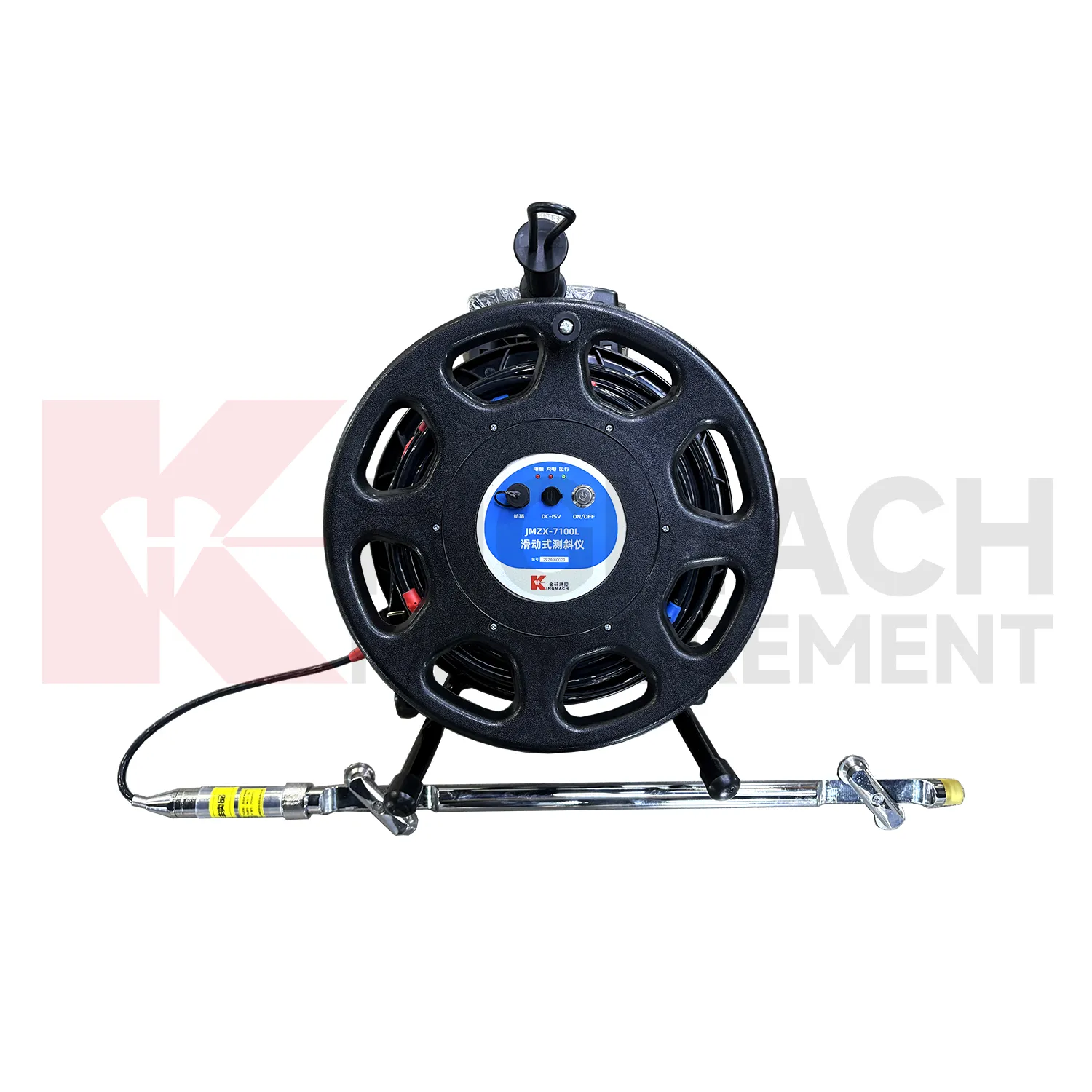
The future of Temperature Acquisition Expansion Module
Future Kingmach Temperature Acquisition Expansion Module will support higher-quality event records for dynamic monitoring. Bridges, buildings, railway lines, tunnels, machinery foundations, and construction sites may need synchronized channels and clear event timing. Dynamic acquisition will become more useful when the waveform is stored with event name, channel identity, trigger condition, and related site activity. This allows reviewers to compare traffic, blasting, wind, machinery start-up, or impact events with the measured response. The next step is not simply faster acquisition; it is better event context. Future event records can also separate raw waveform storage from reviewed event summaries. Engineers may keep the full file for analysis while owners need a concise record of trigger time, sensor group, event source, and response level. That structure will make repeated events easier to compare without losing the original measurement. This is especially useful for railway passage, blasting review, machinery diagnosis, and bridge vibration testing. later. during review.
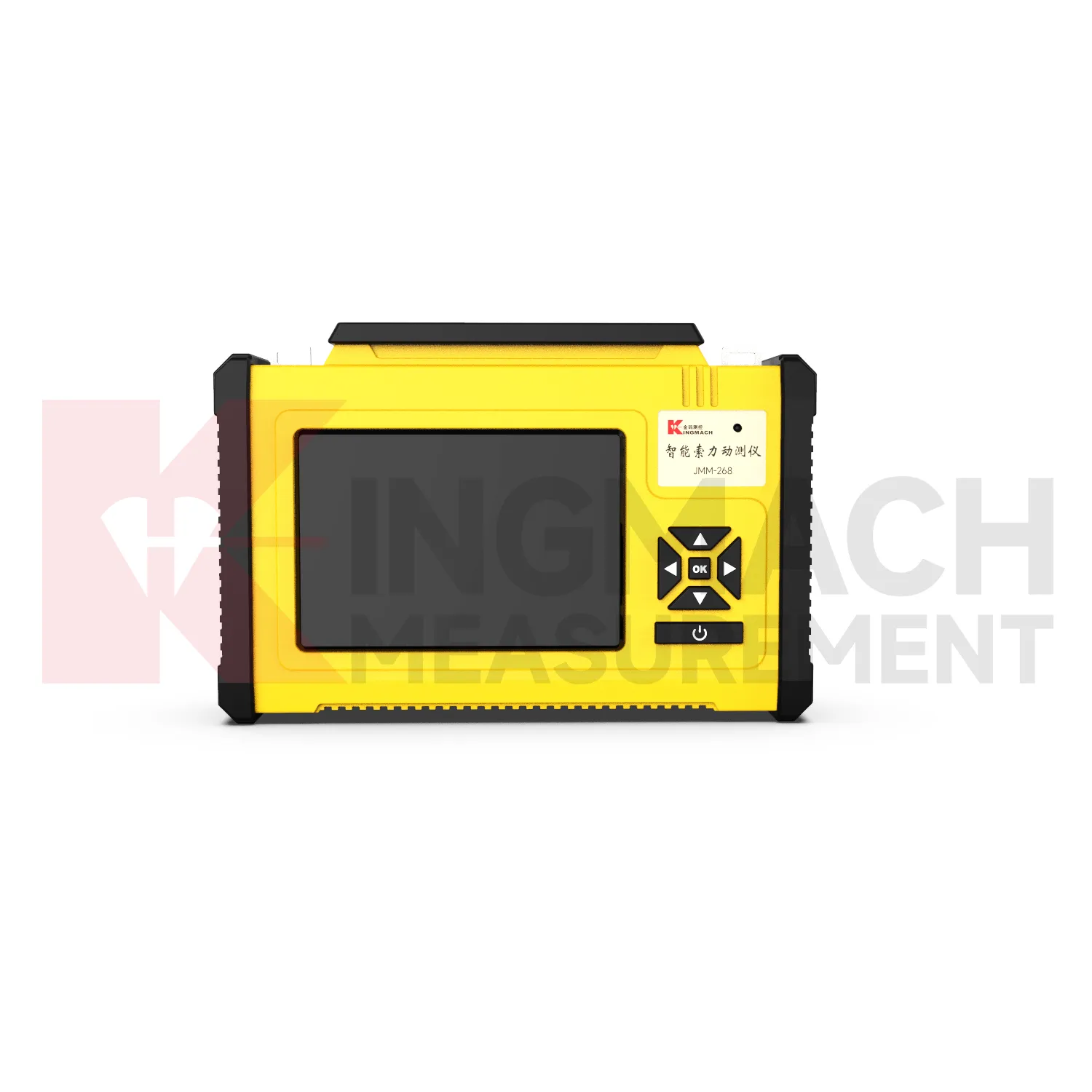
Care & Maintenance of Temperature Acquisition Expansion Module
Dynamic acquisition maintenance for Kingmach Temperature Acquisition Expansion Module should focus on timing, synchronization, and signal condition. Check channel connections, grounding, sampling settings, event names, trigger rules, and storage capacity before a test. Dynamic records are difficult to repeat when the event is train passage, blasting, impact, or machinery start-up. After the test, save raw data, event notes, sensor positions, and any abnormal site activity. This maintenance discipline helps engineers interpret the waveform and compare repeated events without uncertainty about the acquisition setup. Before the next test, review whether the previous event was captured cleanly. If a channel clipped, drifted, lost connection, or showed unexpected noise, correct the setup before relying on another event. Dynamic maintenance is therefore part of test quality, not only equipment care. The maintenance file should include sampling settings, trigger notes, cable condition, sensor mounting status, and storage location for raw files. These details help engineers repeat the test method later and compare event records under similar conditions.
Kingmach Temperature Acquisition Expansion Module
The role of Kingmach Temperature Acquisition Expansion Module is to keep measurement data accessible after the field work is finished. A reading that cannot be traced to a channel, time, sensor, or site condition loses much of its value. Portable readouts support immediate checking, while data loggers support continuity and remote access. When used well, they help owners see trends, compare events, verify maintenance actions, and prepare reports for construction or operation review. This category is especially important for projects where sensor networks remain in service after the original installation team has left. During handover, photos, channel maps, sensor lists, communication settings, and normal baseline examples help the next team continue review without rebuilding the monitoring history from scattered files. The record stays useful when point names, channel labels, sensor type, measurement time, and field condition are kept together, because later reviewers can connect the number with the actual structure and inspection history.
FAQ
Q: What are Readouts & Data Loggers used for?
A: They collect, display, store, and transfer sensor readings so engineering teams can review monitoring data from structural, geotechnical, and industrial projects.
Q: How are readouts different from data loggers?
A: Readouts are often used for field checking and portable measurement, while data loggers support automatic acquisition, scheduled records, and longer monitoring periods.
Q: Which sensors can be connected?
A: The category can support vibrating wire sensors, digital RS485 sensors, temperature points, dynamic signals, strain instruments, displacement sensors, tilt sensors, and other monitoring devices depending on the model.
Q: Why is channel naming important?
A: Clear channel names connect each reading with the correct sensor, location, structure, and review purpose, which prevents confusion during reporting and handover.
Q: What should be checked before purchase?
A: Buyers should define sensor type, channel count, acquisition interval, power supply, communication method, storage needs, site access, and reporting workflow.
Reviews
Andrew Lee
The visualization software is intuitive and powerful. It helps us analyze monitoring data efficiently.
Robert Taylor
The weir flow meter is well-built and delivers accurate measurements. Great value for water management applications.
Latest Inquiries
To protect the privacy of our buyers, only public service email domains like Gmail, Yahoo, and MSN will be displayed. Additionally, only a limited portion of the inquiry content will be shown.
Isabella***@gmail.comGermany
Hello, we are evaluating weir flow meters for a water management project. Please share accuracy deta...
Olivia***@gmail.comUnited States
Hello, we are currently sourcing high-precision strain gauges and load cells for a bridge monitoring...
Related product categories
- Portable Vibrating Wire Dynamic Strain Acquisition Readout
- Signal Acquisition Readout
- Portable Dynamic Signal Acquisition Readout
- data acquisition module
- signal acquisition module
- compact data acquisition modules
- acquisition module
- data acquisition modules
- modular data acquisition system
- modular acquisition
- portable data acquisition module
- signal acquisition and actuation module