
 EN
EN
 ar
ar bg
bg hr
hr cs
cs da
da nl
nl fi
fi fr
fr de
de el
el hi
hi it
it ko
ko no
no pl
pl pt
pt ro
ro ru
ru es
es sv
sv tl
tl iw
iw id
id lv
lv lt
lt sr
sr sk
sk sl
sl uk
uk vi
vi et
et hu
hu th
th tr
tr fa
fa ms
ms hy
hy ka
ka ur
ur bn
bn mn
mn ta
ta kk
kk uz
uz ku
ku
Sensor Shielded Test Cable
These Kingmach Sensor Shielded Test Cable are designed for compatibility with measurement equipment across structural monitoring sites. They support stable equipment connection for sensors, data recorders, cabinets, and maintenance upgrades. The product category is described as anti-interference, waterproof, moisture-proof, and wear-resistant, which matches common field demands in bridges, tunnels, slopes, buildings, dams, subgrades, foundation pits, and hydraulic structures. Rather than treating cable as a simple spare part, the category supports installation reliability, signal clarity, and longer equipment service life across monitoring networks.
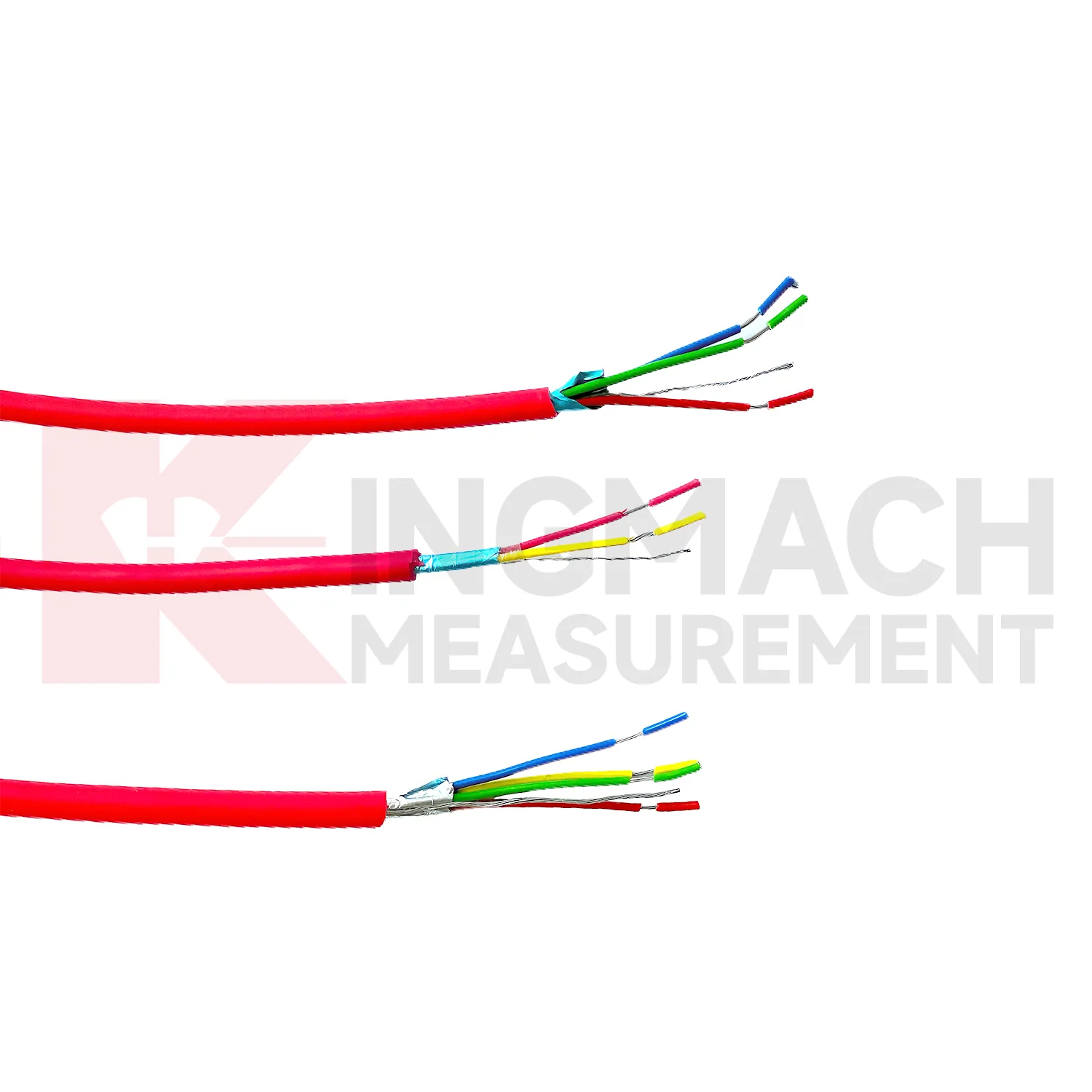
Application of Sensor Shielded Test Cable
Railway and subway monitoring uses Kingmach Sensor Shielded Test Cable where vibration, traction power, signaling equipment, and restricted access can make maintenance difficult. A stable cable path is important because small signal disturbances may be mistaken for track, tunnel, bridge, or subgrade behavior. JMZX-XPX helps where anti-interference performance is required near electrical systems. Moisture-resistant routing supports underground or drainage-adjacent sections. Once installed, cable labels and channel records let maintenance staff inspect the network quickly during limited access windows.
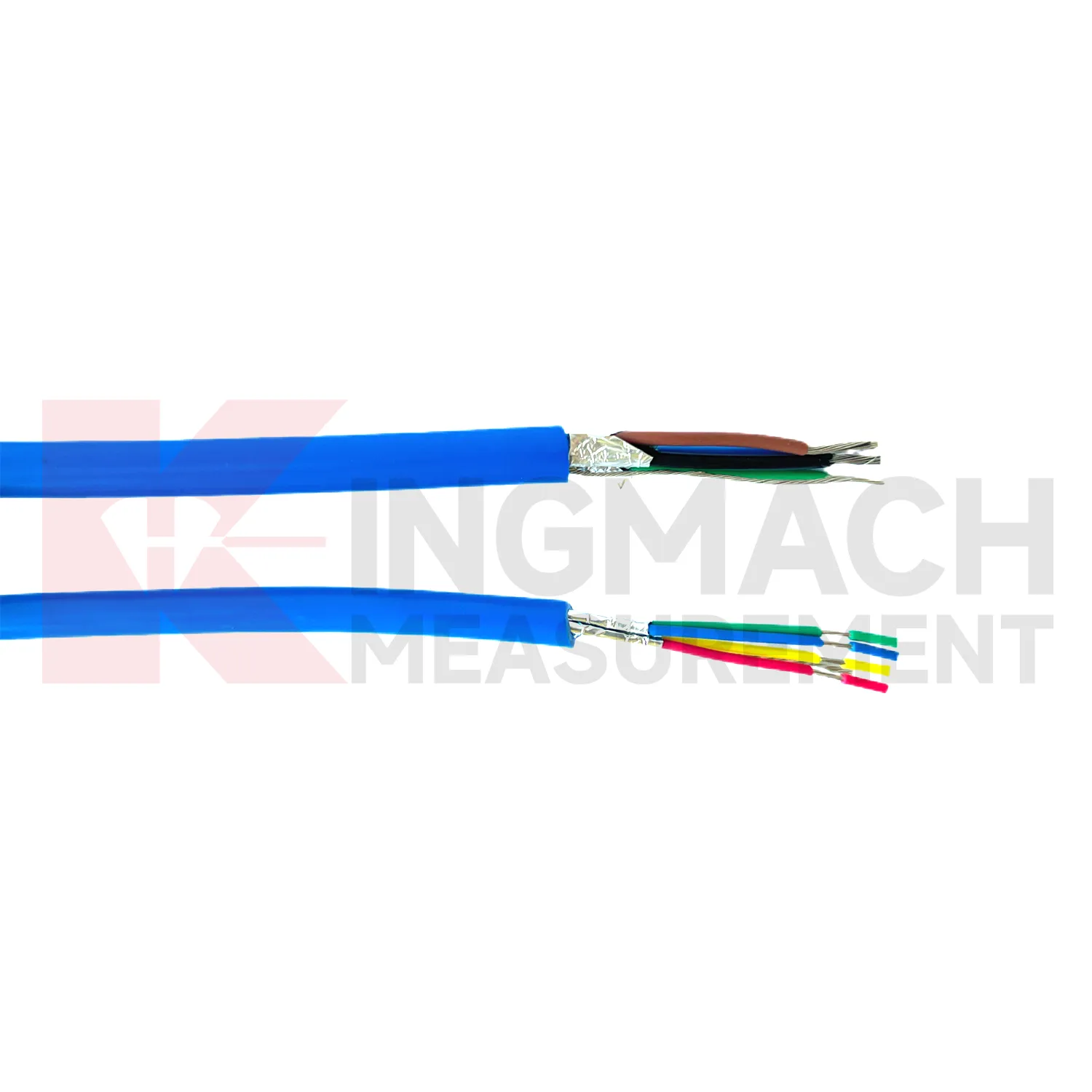
The future of Sensor Shielded Test Cable
Sustainability goals will influence how Kingmach Sensor Shielded Test Cable are selected and maintained. Replacing failed cable routes wastes labor, materials, and site access time, especially on large infrastructure. Durable cable selection and careful routing can reduce unnecessary replacement, avoid repeated cabinet work, and help monitoring systems remain useful for longer. Better service life also protects the sensors and recorders connected to the cable path because fewer faults travel into the wider network.
Care & Maintenance of Sensor Shielded Test Cable
For hydraulic JMZX-XSX cable, maintenance should focus on sealing, pulling stress, abrasion, and wet-route protection. Check sections that pass through galleries, conduits, water-level areas, drainage channels, or submerged zones. Look for sheath wear, tight bends, stretched sections, and water tracking toward junction boxes. When replacement is needed, document the old condition and the new first stable reading. This keeps future reviewers from mistaking a cable repair effect for a change in dam, water-level, or hydraulic structure behavior.
Kingmach Sensor Shielded Test Cable
The value of Kingmach Sensor Shielded Test Cable becomes clear during commissioning. Before a monitoring system is accepted, engineers need stable readings, clean channels, correct labels, and a cable route that can survive normal site activity. If a reading drifts during the first test, the team should inspect shield continuity, cable end sealing, connector tightness, cabinet entry, and nearby interference sources before blaming the sensor. Good cable work shortens this troubleshooting process. It also gives the owner a clearer handover package: cable model, route photo, core assignment, recorder channel, and first stable data record.
FAQ
Q: What are Kingmach Sensor Shielded Test Cable used for?
A: They connect monitoring sensors, acquisition equipment, cabinets, and data recorders while helping protect signal transmission in demanding field environments.
Q: Which cable models are listed in this category?
A: The local product pages list test dedicated shielded wire JMZX-XPX and hydraulic cable JMZX-XSX.
Q: What is JMZX-XPX designed for?
A: It is a shielded test wire with composite shielding for low-loss sensor signal transmission and resistance to EMI and RFI.
Q: What is JMZX-XSX designed for?
A: It is a hydraulic engineering cable with multi-layer sealing and water-resistant insulation for humid, underwater, or wet routes.
Q: Where are these cables commonly applied?
A: They are used in bridges, tunnels, slopes, buildings, dams, foundation pits, railways, hydraulic works, and mixed monitoring systems.
Reviews
James Thompson
The tiltmeters and accelerometers are very sensitive and provide precise data. Perfect for our structural health monitoring system.
Joshua Clark
We ordered a full monitoring solution including sensors and data loggers. Everything works seamlessly together. Great supplier!
Latest Inquiries
To protect the privacy of our buyers, only public service email domains like Gmail, Yahoo, and MSN will be displayed. Additionally, only a limited portion of the inquiry content will be shown.
Olivia***@gmail.comUnited States
Hello, we are currently sourcing high-precision strain gauges and load cells for a bridge monitoring...
Mia***@gmail.comNetherlands
Dear team, we are interested in your readouts & data loggers compatible with multiple sensors. Do yo...